
How to Lower Coolant Temperature Safely
10% off on product page · save $1.22
How to Lower Coolant Temperature Safely
Reduce Engine Load Immediately
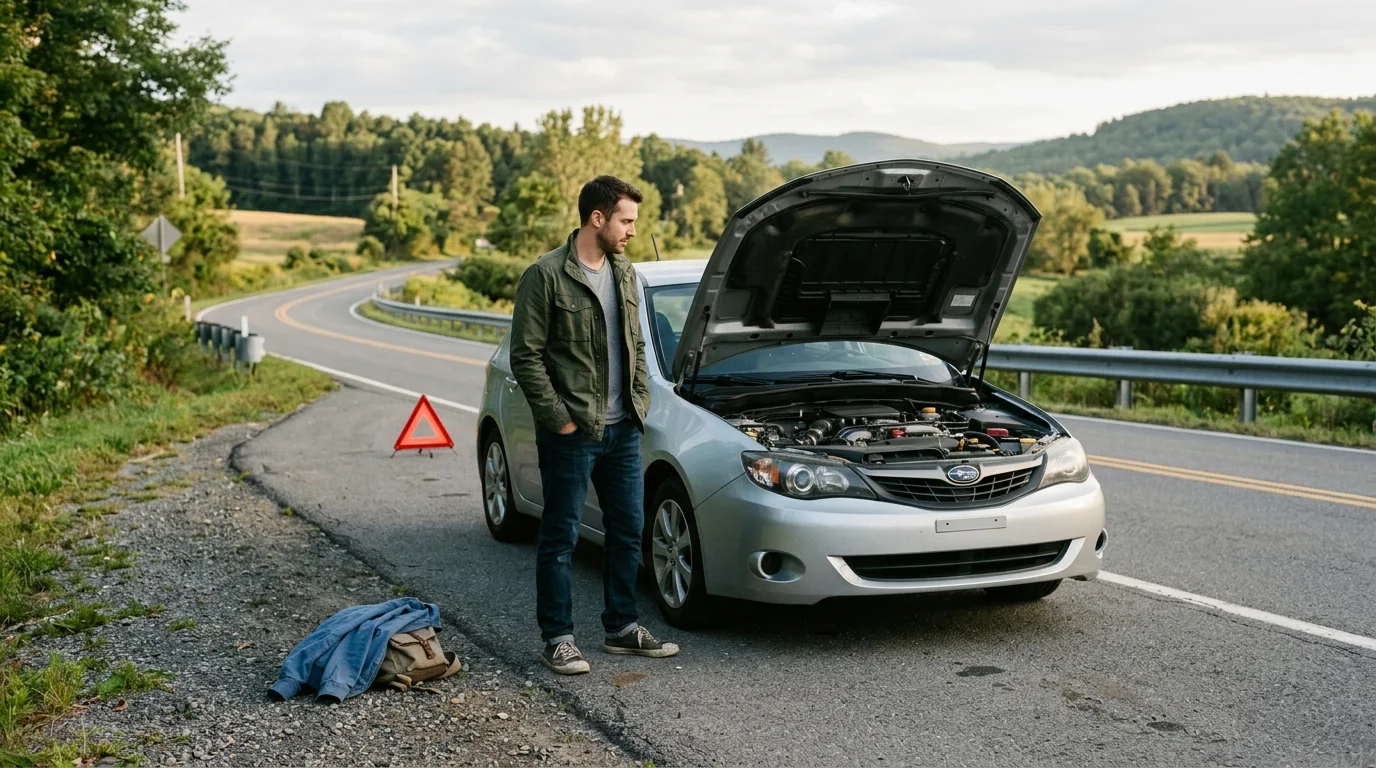
If the coolant temperature starts climbing while you drive, turn off the air conditioner and switch the cabin heater to maximum heat. Drive gently, avoid rapid acceleration, and move toward a safe place to stop. The heater may temporarily remove some heat from the engine, but it is not a repair.
Pull Over and Let the Engine Cool
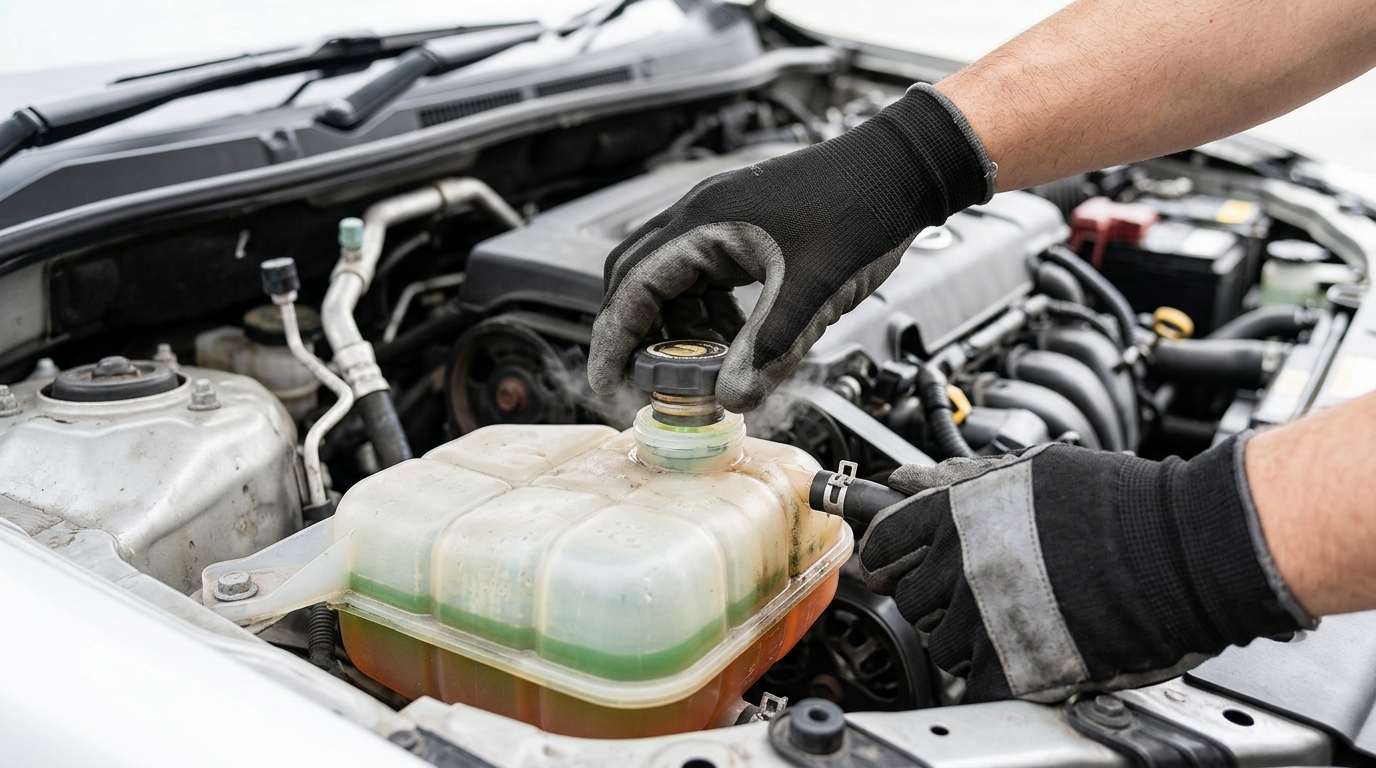
Stop as soon as it is safe if the gauge enters the red zone, steam appears, or a temperature warning illuminates. Turn off the engine and wait at least 30 minutes. Never remove the radiator or coolant-reservoir cap while the system is hot because pressurized coolant can cause severe burns.
Featured in this guide
Coolant Temperature Warning Light Explained: A Complete Guide for Drivers | Understanding and Responding to Engine Alerts
Check Coolant After Cooling
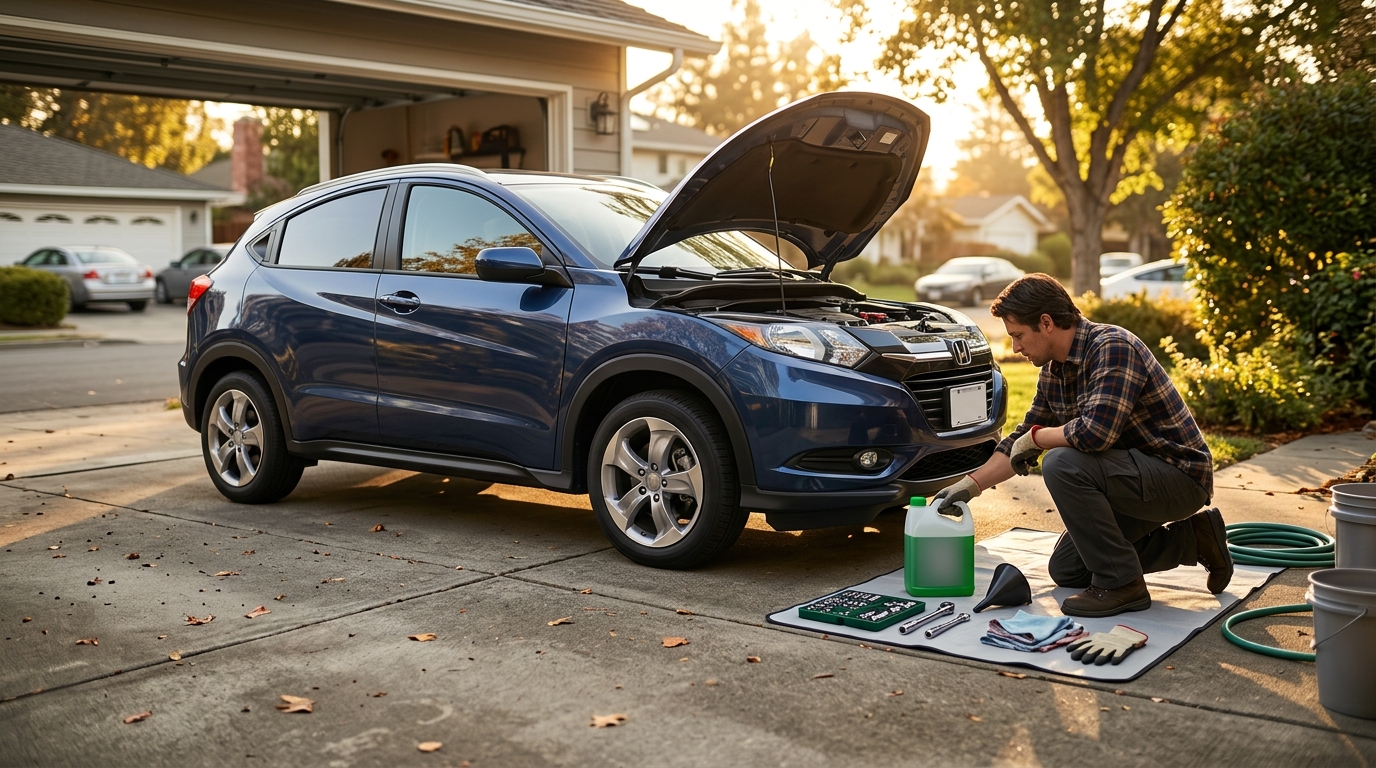
Once the engine is completely cool, inspect the coolant reservoir and compare the level with its MIN and MAX markings. Add only the coolant type specified in the owner’s manual, using the correct premixed formula or water-to-concentrate ratio. Low coolant may indicate a leaking hose, radiator, reservoir, water pump, or gasket.
Address the Cause of Overheating
A persistent high temperature can result from a stuck thermostat, failed radiator fan, clogged radiator, weak water pump, low coolant, or trapped air. Check beneath the vehicle for leaks and verify whether the cooling fan operates as the engine warms. Arrange professional diagnosis rather than repeatedly topping off a leaking system.
Know When Not to Drive
Do not continue driving when the warning remains on, the gauge stays near hot, coolant leaks rapidly, or steam comes from under the hood. Overheating can warp cylinder heads and damage the head gasket or engine block. See the complete guide on how to make coolant temperature go down for additional troubleshooting steps.
Check the listed dimensions for know when not to drive against the available vehicle space before use.
FAQ
How do I make my coolant temperature go down?
Turn off the air conditioner, turn on the heater, and pull over safely. Shut off the engine and allow it to cool fully before checking the coolant level.
How to fix coolant temperature too high?
Fixing coolant temperature that is too high requires identifying the cause, such as low coolant, a leak, a faulty fan, or a stuck thermostat. Have the cooling system pressure-tested if the problem returns.
Is 230 coolant temperature too high?
A coolant temperature of 230°F is hotter than normal for many vehicles, although operating ranges vary by model. If it continues rising or triggers a warning, stop and let the engine cool.
How to get coolant to cool down faster?
Safely stop the vehicle and switch off the engine to let the coolant cool down. Do not pour cold water onto a hot engine or open a pressurized cap.
Can I drive with a high coolant temperature?
You should not drive with a high coolant temperature if the gauge is in the red zone, a warning light is on, or steam is visible. Continuing can cause expensive engine damage.
How do I fix my coolant temperature warning?
Stop, cool the engine, and check the coolant level only when the system is cold. If the warning returns, have the thermostat, fan, pump, radiator, and leaks inspected.
See if Coolant Temperature Warning Light Explained: A Complete Guide for Drivers | Understanding and Responding to Engine Alerts fits your setup













Leave a comment