Is Bad Air Quality Affecting You? Signs to Watch For

25% off on product page · save $4.33
Is Bad Air Quality Affecting You? Signs to Watch For
Notice symptoms that change with your surroundings
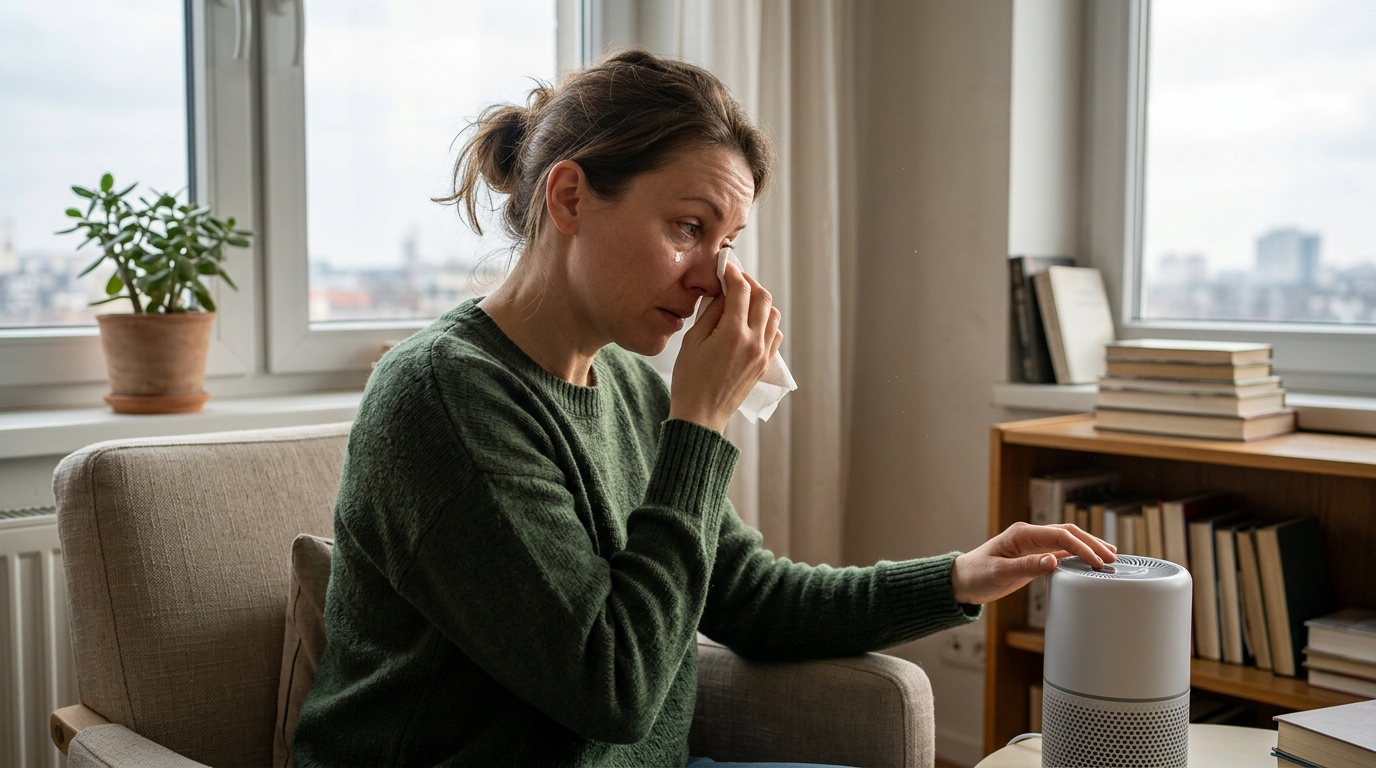
Bad air quality may be affecting you if you develop irritated eyes, a scratchy throat, coughing, headaches, or unusual fatigue in a particular place. People with asthma or other breathing conditions may also notice wheezing or chest tightness. These symptoms have many possible causes, so a single headache does not prove the air is the problem.
Look for a pattern instead: Do you feel worse after spending time in one room, while cooking, or when outdoor air is smoky? Do you feel better after leaving the area? A pattern like that is a useful clue to investigate.
Check what might be in the air
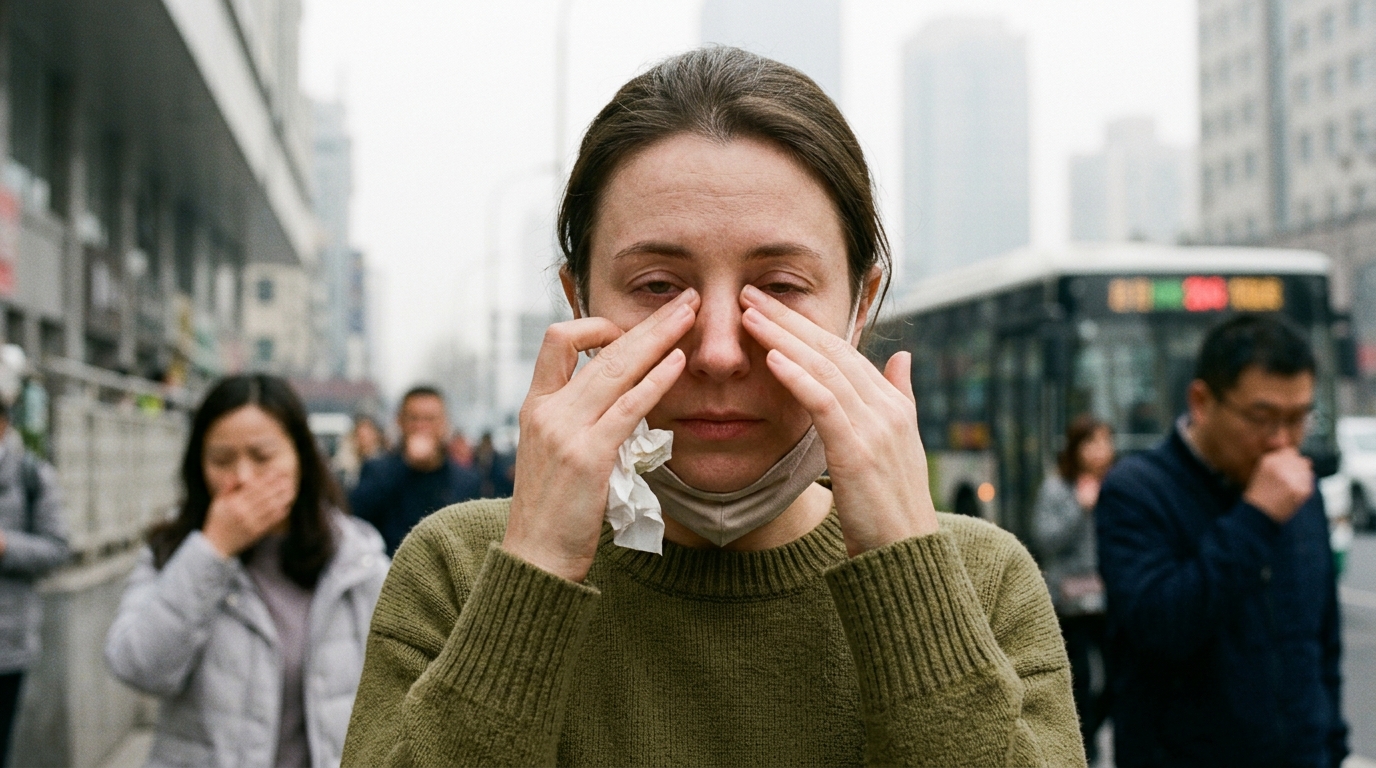
Visible smoke, lingering cooking fumes, a musty smell, or dust stirred up during cleaning can point to a possible source. You may also notice symptoms when windows are open during a poor outdoor air-quality day. Not every pollutant has a smell, though, and an odor alone cannot tell you whether an exposure is safe.
Check local outdoor air-quality reports when smoke or pollution is possible. Indoors, note when symptoms occur and what was happening at the time. That record can help you decide whether to improve ventilation, avoid an activity that creates fumes, or address a damp area. For more background, see this guide to recognizing air-quality effects.
Featured in this guide
Breathe Better Indoors, Live Better: A Practical Guide to Improving Indoor Air Quality
Respond to the pattern—and know when to get help
If symptoms repeatedly improve when you leave a space, reduce your exposure while you look for the source. For example, step away from smoke or strong fumes, and avoid opening windows when outdoor air is poor. If symptoms persist or recur, talk with a health care professional rather than assuming air quality is the only cause.
Seek urgent medical care for severe trouble breathing, chest pain, confusion, or symptoms that rapidly worsen. If several people in a building suddenly develop headaches, dizziness, or nausea—especially where fuel-burning appliances are present—leave the building and seek emergency help; carbon monoxide cannot be reliably detected by smell.
The Modern Farmhouse 6-Drawer Tall Dresser – Storage Organizer for Living Room, Hallway, Entryway, Home Office works alongside the featured product and keeps small car items in designated pockets instead of loose on the seat.
FAQ
What symptoms do you get from bad air quality?
Possible symptoms include eye or throat irritation, coughing, headaches, and fatigue. Wheezing or chest tightness can also occur, particularly in people with asthma, but symptoms alone cannot identify the pollutant or confirm the cause.
How long does it take for bad air quality to affect you?
Some people notice irritation or breathing symptoms during or soon after exposure to smoke or fumes. Other effects may be less obvious or develop with repeated exposure, so pay attention to where and when symptoms occur rather than relying on a fixed timeline.
See if Breathe Better Indoors, Live Better: A Practical Guide to Improving Indoor Air Quality fits your setup
Recommended for you





Leave a comment