35% off on product page · save $165.84
Which Dog Breeds Are Most Prone to Anxiety?
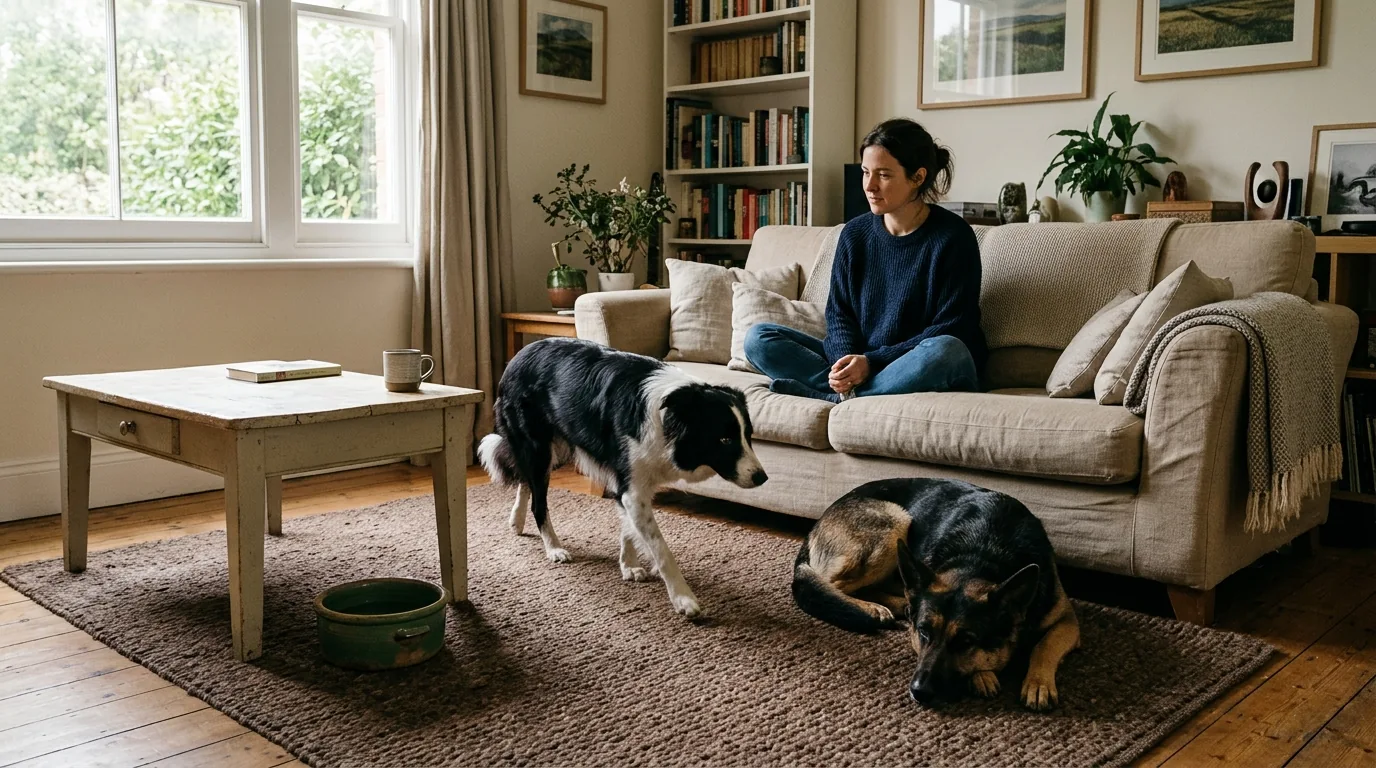
Dogs commonly described as prone to anxiety include Labrador Retrievers, German Shepherds, Border Collies, Australian Shepherds, and Cavalier King Charles Spaniels, although individual dogs within each breed can be calm or anxious. Highly attentive herding breeds may react strongly to movement or unfamiliar activity, while dogs that form close attachments may struggle when left alone.
Small companion breeds, such as Chihuahuas and Toy Poodles, can also show fear or distress in certain situations, but their size alone does not cause anxiety. Rather than relying on a breed label, watch for changes in your dog’s behavior and consider what is happening around them when those changes occur.
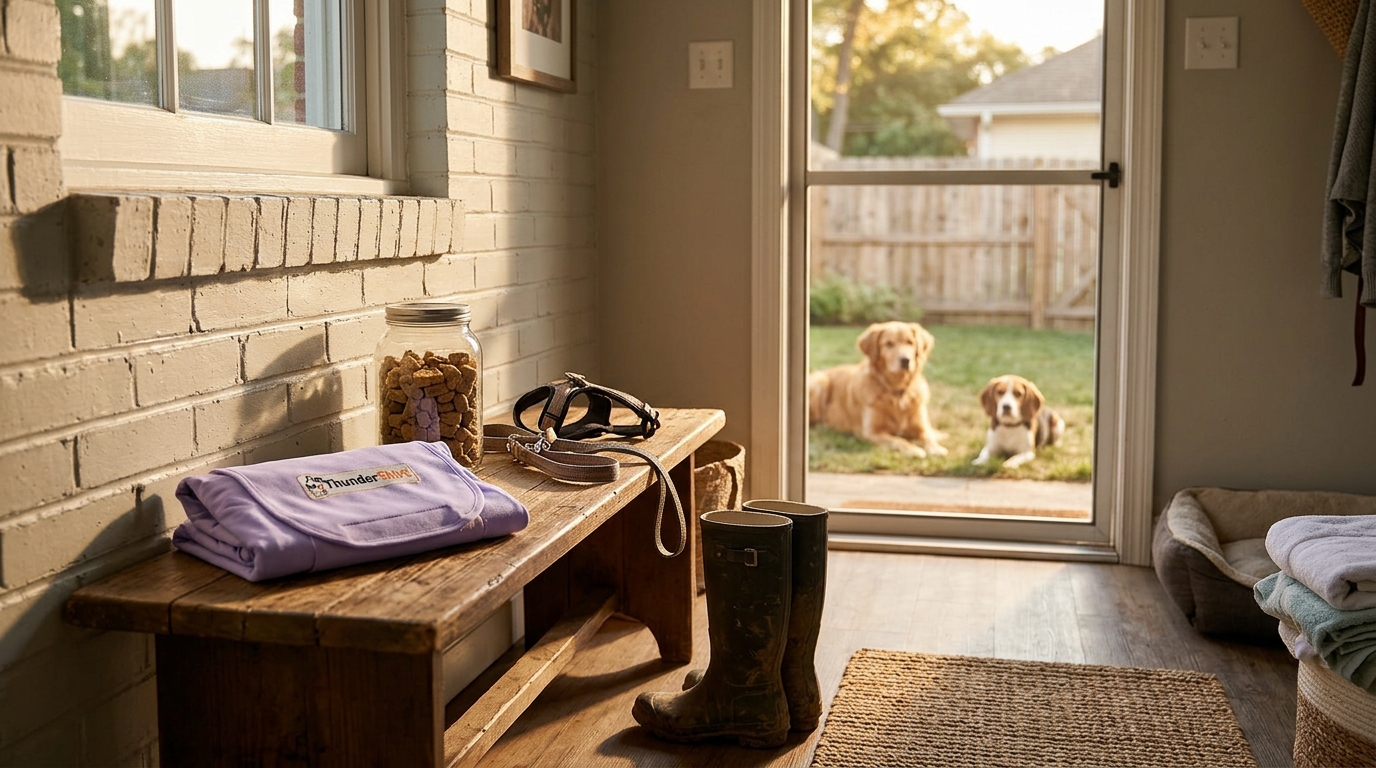
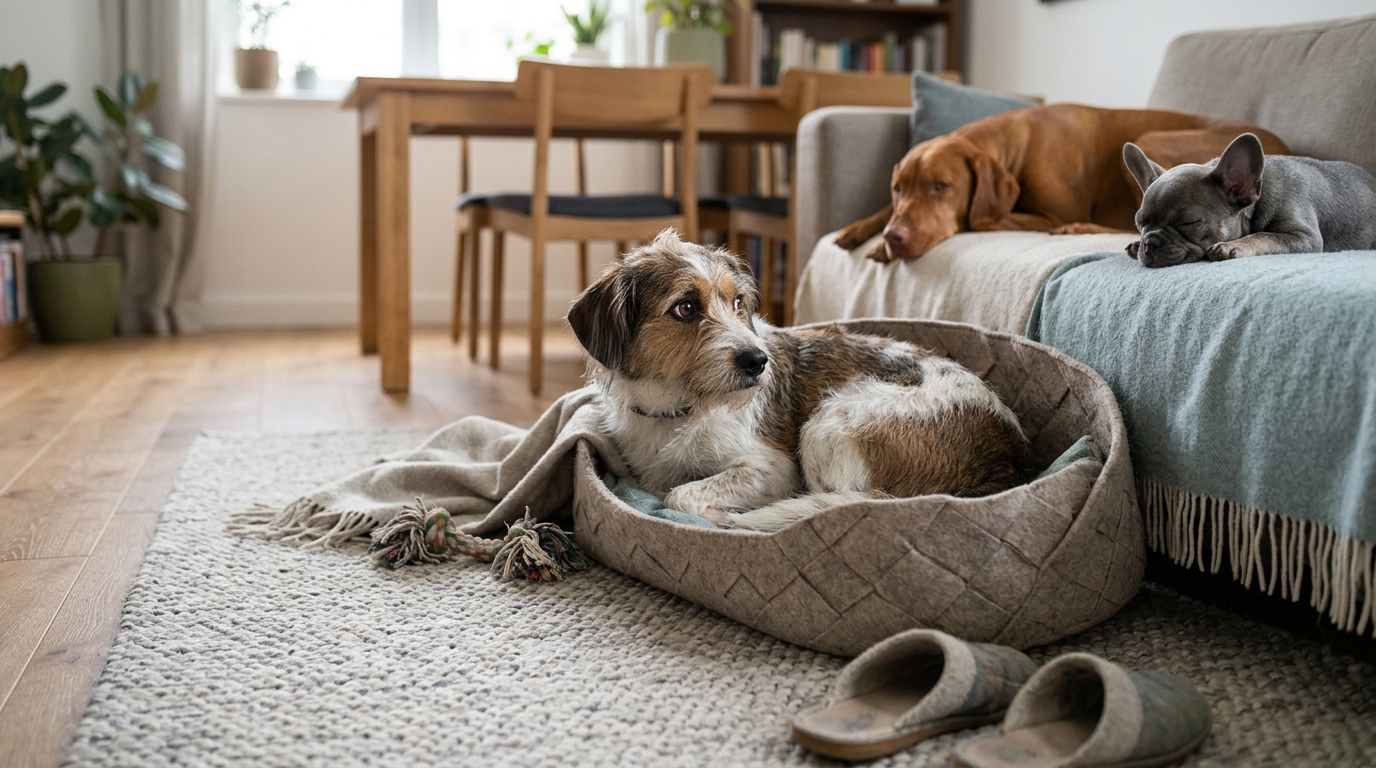
Your dog might pace, pant when they are not hot, tremble, hide, bark repeatedly, or have trouble settling during a stressful event. Some dogs chew doors or furniture, have accidents indoors, or become distressed as you prepare to leave, which can point to separation-related anxiety.
These signs can have other causes, including pain or illness, so a new or worsening behavior deserves a conversation with your veterinarian. Our guide to dog anxiety clues and first steps can help you organize what you notice before asking for help.
Check the product’s listed specifications when evaluating what anxiety can look like.
Featured in this guide
The Dog Anxiety Clues Action Pack: 4-in-1 Bundle of Dog Anxiety eBooks
Start by identifying possible triggers, such as visitors, loud noises, car rides, or time alone, and give your dog a quiet place where they can retreat without being disturbed. Use a predictable routine and introduce challenging situations gradually, rewarding calm behavior rather than forcing your dog to face a fear.
If your dog panics, injures themselves, or cannot settle, ask your veterinarian about an appropriate behavior plan and whether a qualified behavior professional could help. For more reading, we offer The Dog Anxiety Clues Action Pack: 4-in-1 Bundle of Dog Anxiety eBooks alongside our guide.
“I’m so glad I found this bundle. The AI tool for tracking my pet’s behavior changes has been incredibly useful.”
There is no single breed that can reliably be named the most anxious, because anxiety varies by individual dog and situation. Breeds often associated with anxious behavior include German Shepherds, Border Collies, and Labrador Retrievers, but any dog can experience anxiety.
The 3-3-3 rule is a general adjustment guideline suggesting that a newly adopted dog may need about three days to decompress, three weeks to learn routines, and three months to feel more settled. It is not a deadline or a treatment for anxiety, so give your dog time and seek veterinary advice if distress is severe or persists.




Leave a comment