
35% off on product page · save $165.84
How to Calm Down an Extremely Anxious Dog Safely
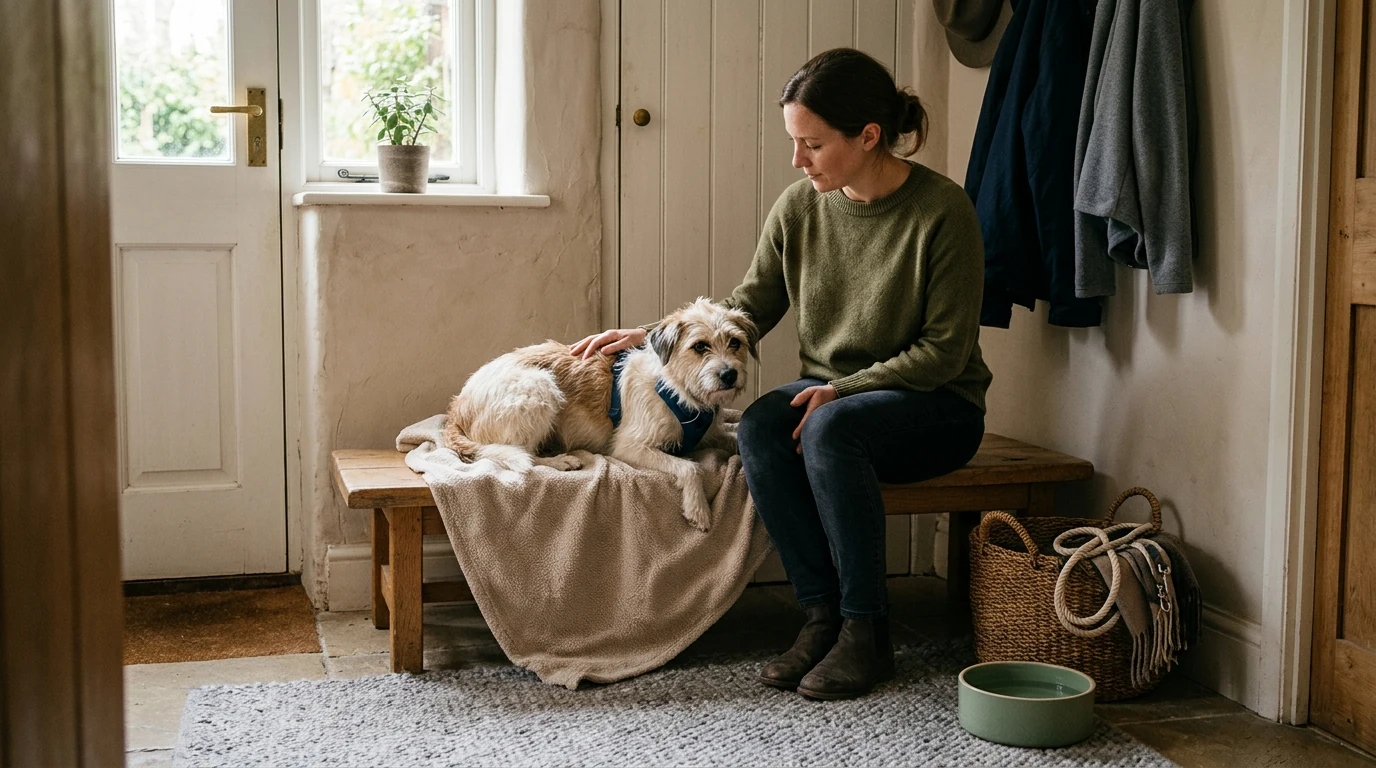
When your dog is extremely anxious, move them away from the trigger if you can do so safely, and guide them to a quiet, familiar space where they can choose to rest without being crowded. Close curtains or reduce noise when those are triggers, keep other pets and children at a comfortable distance, and let your dog approach you rather than forcing contact.
Speak calmly and move slowly; if your dog welcomes gentle contact, you can offer it, but stop if they pull away or seem more tense. Avoid scolding, restraining them unnecessarily, or forcing them to face what scares them, since these responses can increase distress and may put you at risk of a bite.
Check the product’s listed specifications when evaluating make the immediate situation feel safer.
Give your dog access to water and a comfortable resting place, and offer a familiar chew or a few treats if they are willing to take them. A dog who refuses food, cannot settle, or remains intensely alert may need more distance from the trigger rather than additional encouragement.
Keep the routine predictable and allow time for your dog to recover before asking for training or activity. If you need to go outside, use secure, familiar equipment and choose a quiet route, because a frightened dog may try to escape unexpectedly.
Featured in this guide
The Dog Anxiety Clues Action Pack: 4-in-1 Bundle of Dog Anxiety eBooks
“I’m so glad I found this bundle. The AI tool for tracking my pet’s behavior changes has been incredibly useful.”
Contact your veterinarian promptly if anxiety is severe, recurrent, suddenly appears, or interferes with eating, sleeping, or everyday life; pain or illness can sometimes contribute to behavior changes. Seek urgent veterinary care if your dog has trouble breathing, collapses, injures themselves, or may have swallowed a harmful substance.
Your veterinarian can help assess the cause and discuss a treatment plan, which may include behavior support or medication when appropriate. Do not give human medication or calming supplements without veterinary guidance, and tell the clinic ahead of time if your dog may bite when frightened.
Check the product’s listed specifications when evaluating know when to get veterinary help.
Once your dog is calm, note what happened before the episode and share those observations with your veterinarian or a qualified behavior professional. A gradual plan can help you manage triggers and practice calm responses at a level your dog can tolerate, rather than exposing them to an overwhelming situation.
For more guidance on recognizing anxiety and deciding what to do next, read our guide to dog anxiety clues and first steps. We also offer The Dog Anxiety Clues Action Pack: 4-in-1 Bundle of Dog Anxiety eBooks if you want additional reading on the topic.

Leave a comment