
Does Running AC Improve Air Quality? What to Know

25% off on product page · save $4.33
Does Running AC Improve Air Quality? What to Know
Does Running AC Improve Air Quality?
Running an air conditioner can improve indoor air quality by circulating air through its filter. A clean, properly fitted filter captures dust, pollen, pet dander, and some airborne particles. However, standard AC systems do not remove every pollutant, and they generally do not bring fresh air indoors.
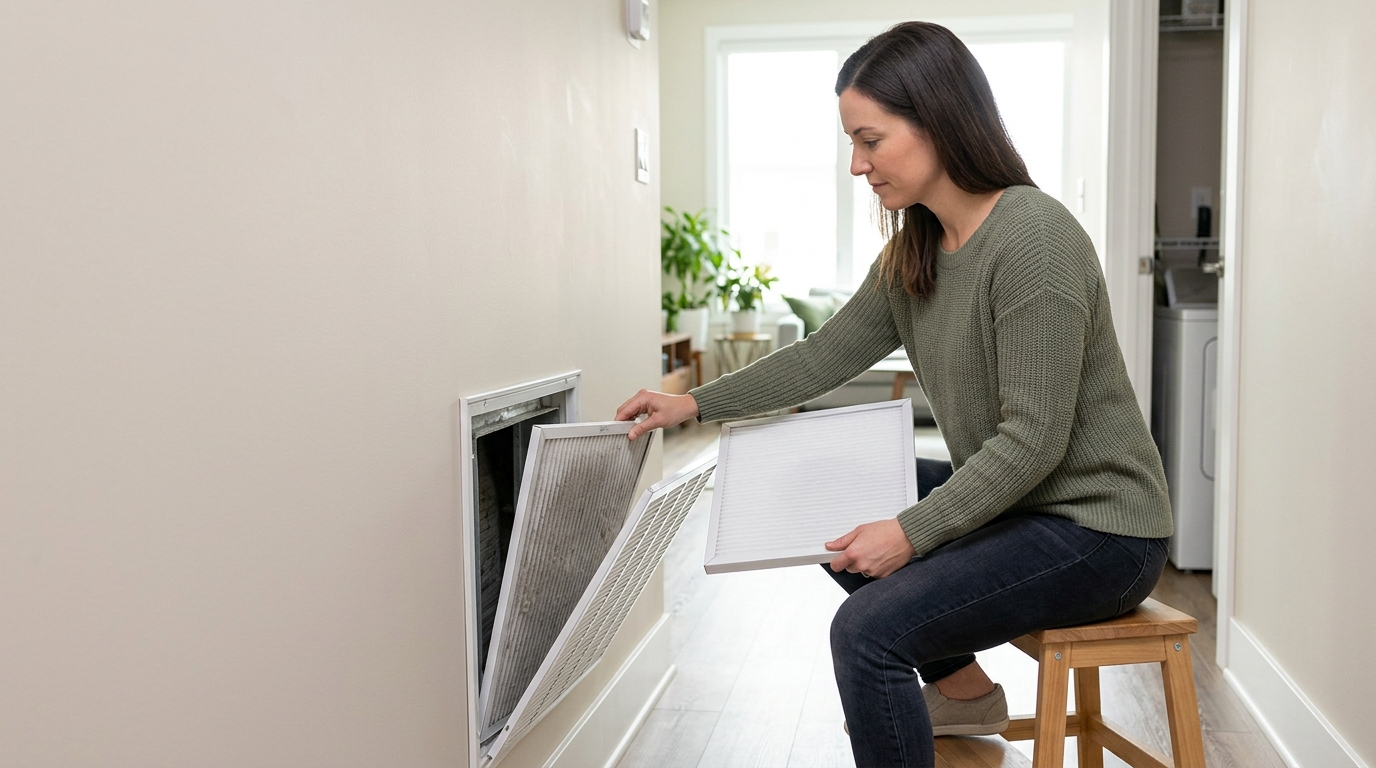
Filtration Makes the Difference
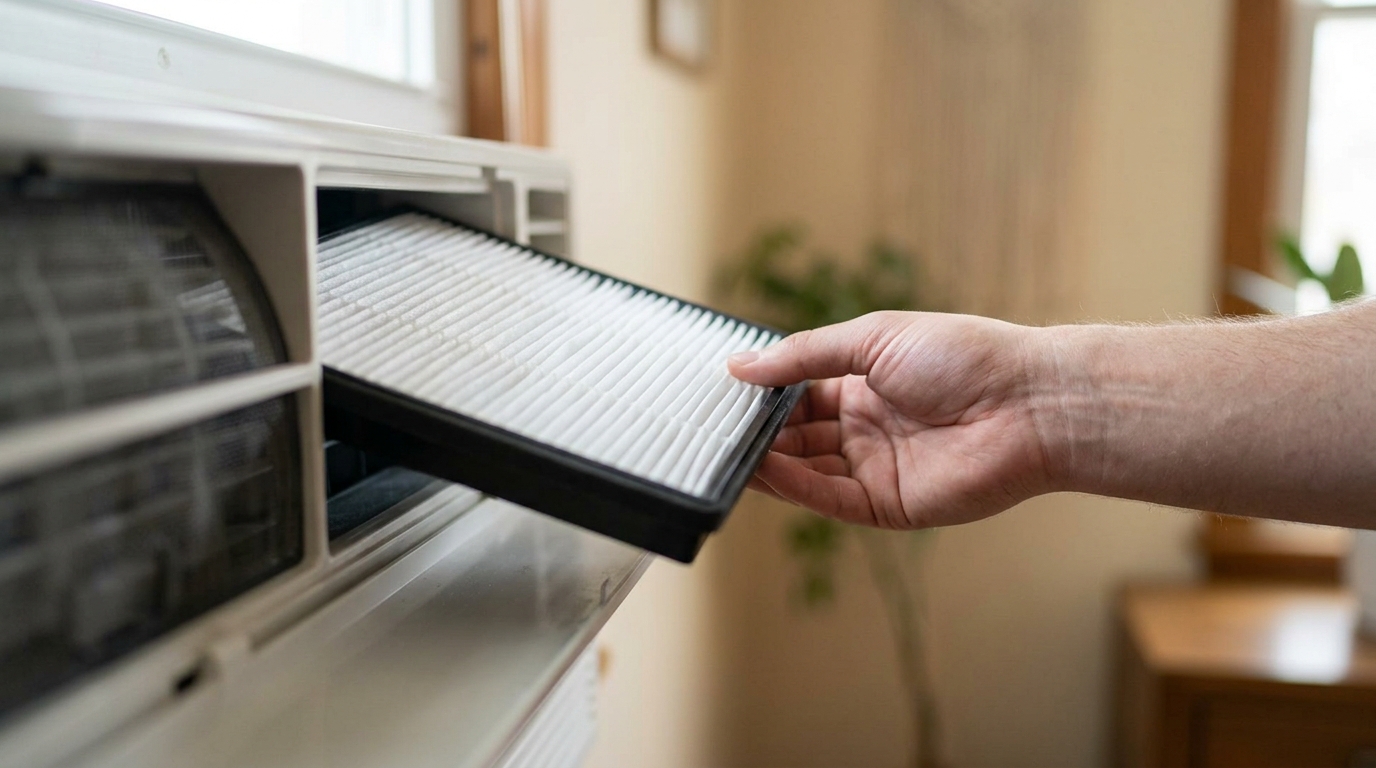
An AC system is only as effective as its filter and maintenance allow. Check the filter monthly and replace it according to the manufacturer’s schedule—often every one to three months. If your system supports it, a higher-MERV filter can capture smaller particles, but confirm compatibility first because an overly restrictive filter may reduce airflow.
Featured in this guide
Breathe Better Indoors, Live Better: A Practical Guide to Improving Indoor Air Quality
Humidity Control Can Help
Air conditioning also lowers indoor humidity, which can discourage mold and dust mites. Aim for a relative humidity level between 30% and 50%. If the air remains damp or the AC is oversized and cycles too quickly, a dehumidifier may provide better moisture control.
When AC Is Not Enough
AC filtration cannot fully address smoke, volatile organic compounds, carbon monoxide, or every fine particle. Avoid indoor pollution sources, use exhaust fans when cooking, and consider a portable HEPA air purifier for frequently occupied rooms. Learn more about how running AC affects air quality and the steps that can make filtration more effective.
FAQ
Is it healthier to sleep with or without AC?
Sleeping with AC can be comfortable and healthy when the filter is clean and the room is not excessively cold or dry. Keep vents from blowing directly onto your face or body.
What is the 3 minute rule for AC?
The 3 minute rule means waiting about three minutes before restarting an AC after shutting it off. This pause helps refrigerant pressure equalize and may reduce compressor strain.
Does running AC help with air quality?
Running AC can help with air quality by filtering particles and controlling humidity. Results depend on filter quality, system maintenance, and the pollutants present.
See if Breathe Better Indoors, Live Better: A Practical Guide to Improving Indoor Air Quality fits your setup













Leave a comment