
Boost Your Confidence Toolkit: Speak Boldly
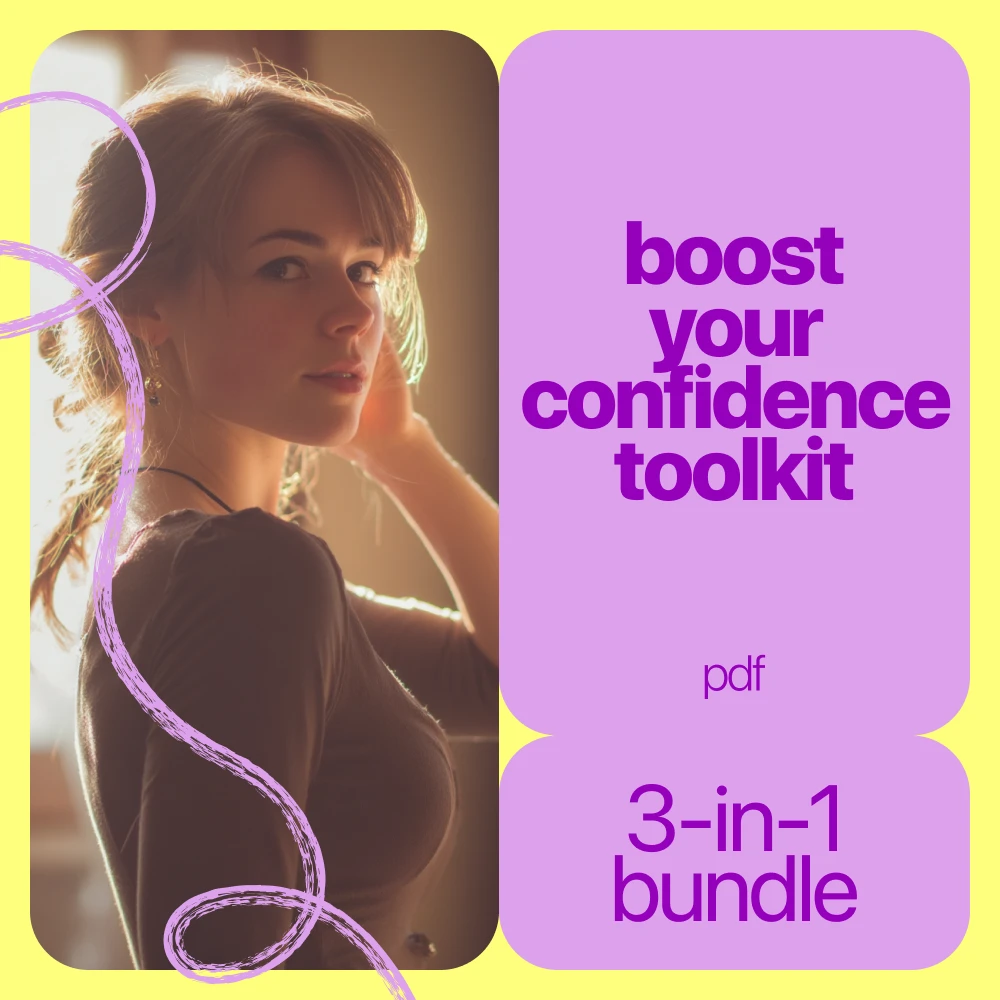
Speak with greater intention through structured practice
Boost Your Confidence Toolkit: Speak Boldly
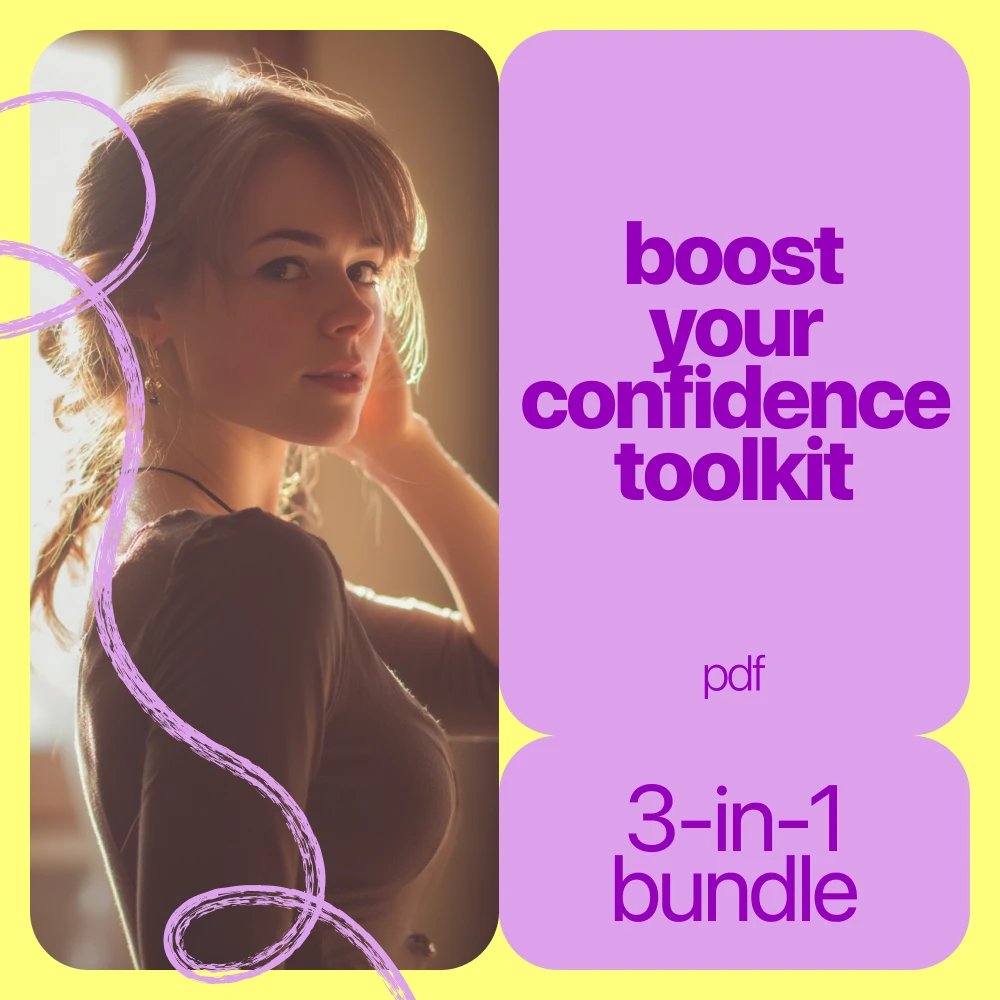
What the Boost Your Confidence Toolkit Includes
This in-stock digital toolkit brings together three complementary resources: a guide to speaking boldly, a confidence checklist, and a self-esteem eBook. Each component supports a different part of confidence-building, from preparing for an important conversation to examining the beliefs that shape your internal dialogue.
The speaking guide can provide direction before meetings, presentations, interviews, introductions, or difficult conversations. The checklist turns preparation and reflection into repeatable steps, reducing the need to rely on memory or vague intentions. Meanwhile, the self-esteem eBook offers space to explore personal strengths, habits, and unhelpful assumptions.
Toolkit Components and Everyday Uses
| Component | Primary purpose | When to use it | Practical outcome |
|---|---|---|---|
| Speak Boldly Guide | Support clear, assertive communication | Before meetings, interviews, or difficult conversations | A more deliberate message and delivery |
| Confidence Checklist | Create repeatable preparation steps | Before and after a confidence-building challenge | Visible progress and fewer missed steps |
| Self-Esteem eBook | Explore healthier self-perception | During reading, reflection, or journaling | Greater awareness of strengths and limiting beliefs |
Review the product page before purchasing to confirm current pricing, file formats, access instructions, and complete order details.
Featured in this guide
Boost Your Confidence Toolkit: Speak Boldly Guide, Confidence Checklist & Self-Esteem eBook
Use the Speak Boldly Guide with One Clear Goal
Begin with one precise communication goal. You might contribute an idea during a meeting, introduce yourself without rushing, ask a direct question, or make a respectful request. Prepare a short opening sentence so the first few seconds require less improvisation.
Practice an audible volume, measured pace, relaxed posture, and brief pauses. Speaking boldly does not mean being loud or aggressive. Assertive communication is direct while remaining respectful of the other person.
A useful structure is simple: identify the situation, state what you need, and suggest a next step. Rehearse privately, then with someone you trust, before trying the message in a real interaction. Afterward, record what worked and choose one adjustment for next time.
Five Practices Worth Repeating
- Keep small promises to yourself. Choose commitments realistic enough to complete consistently.
- Prepare and repeat. Familiarity can reduce uncertainty even when some nervousness remains.
- Challenge sweeping thoughts. Replace statements such as “I always fail” with a balanced observation grounded in available evidence.
- Use supportive body language. Maintain a stable stance, relaxed shoulders, steady breathing, and comfortable eye contact.
- Record completed actions. Track progress and useful feedback instead of measuring yourself by mood alone.
Confidence often follows action. Waiting until you feel completely ready can extend avoidance, while one completed step provides evidence that you can continue.
A Simple Checklist for Challenging Moments
Before: Define the desired outcome, identify your main point, prepare your first sentence, and anticipate one likely question.
Immediately before: Plant both feet, release shoulder tension, breathe slowly, and direct your attention toward the message rather than imagined judgment.
During: Express one thought at a time. Pause instead of filling every silence, and request clarification when necessary.
After: Record one success, one useful lesson, and one action worth repeating. Review your notes weekly to notice which situations are becoming easier.
Seven Days of Speak-Boldly Practice
- Day 1: Choose one communication goal and write down why it matters.
- Day 2: Draft and rehearse a concise introduction or request.
- Day 3: Ask one clear question in a low-pressure setting.
- Day 4: Share an opinion without unnecessary qualifiers.
- Day 5: Say no, request time to decide, or state a reasonable boundary.
- Day 6: Complete one mildly uncomfortable conversation, using the checklist before and after.
- Day 7: Review your completed actions and select the next manageable challenge.
Build Self-Esteem Beyond Positive Phrases
Confidence can vary by task, while self-esteem relates more broadly to personal worth and self-perception. Encouraging language is most useful when paired with credible evidence, such as preparation completed, skills developed, responsibilities handled, or previous challenges navigated.
Listen to the tone of your internal dialogue. Rewrite harsh judgments as specific, constructive observations, and maintain a strengths record containing personal qualities, learned abilities, completed responsibilities, and examples of resilience.
Set reasonable limits around comparison, particularly when curated online content repeatedly weakens your self-perception. Supportive relationships and purposeful habits can also make reflection more grounded.
Important: Educational self-help materials are not substitutes for professional mental health care. Persistent low self-worth, severe anxiety, or substantial disruption to daily life may warrant support from a qualified clinician.

Watch · product page video
“I thought confidence was something you either had or didn’t, but the resources in this toolkit taught me otherwise. I feel like I have more control over how I show up in any situation now.”
Clairiss product page · Product review
Who May Find the Toolkit Useful
The toolkit may suit students, professionals, entrepreneurs, job seekers, and anyone who prefers structured communication practice over general encouragement. It is designed to be revisited: preparation can happen before a conversation, while the checklist and reflection exercises can help capture lessons afterward.
Readers looking for an instant transformation may find a practice-based approach less appealing. Lasting confidence generally requires application, repetition, and realistic expectations rather than passive reading alone.
Compare related options such as Fitness Confidence Starts Here – Beginner Fitness Confidence Guide, Mindset Reset eBook, Gym Anxiety Help, AI Fitness Prompts, Simple Workout Confidence Download to match features, dimensions, and use case before choosing.
FAQ
What is another way to say “boost your confidence”?
You could say “strengthen your self-assurance,” “build greater self-belief,” or “develop a more confident mindset.” The best wording depends on whether you mean communication confidence, task-specific ability, or overall self-esteem.
How to instantly boost your confidence?
Slow your breathing, relax your shoulders, plant your feet, recall one relevant success, and focus on the next concrete action. This brief reset can improve readiness, although permanent confidence cannot be created instantly.
See if Boost Your Confidence Toolkit: Speak Boldly Guide, Confidence Checklist & Self-Esteem eBook fits your setup













Leave a comment