
Fix It Before It Breaks: Home Maintenance Guide
25% off on product page · save $4.00
Fix It Before It Breaks: Home Maintenance Guide
Why Preventive Home Maintenance Pays Off
Preventive maintenance protects major systems by addressing normal wear before it causes equipment failure, property damage, or unsafe conditions. Regular inspections also establish a baseline. When you know how your plumbing, roof, appliances, and HVAC equipment normally look and sound, changes become easier to spot.
Planned upkeep makes household costs more predictable. Filters, sealants, inspections, and routine service are generally easier to budget for than emergency repairs, temporary lodging, or water-damage restoration. Resources from HUD’s home maintenance program can also help homeowners understand their ongoing responsibilities.
The goal is not to perform every repair yourself. Good home maintenance means handling straightforward tasks safely and recognizing when licensed contractors are necessary.
Home Maintenance Mistakes That Cause Bigger Problems
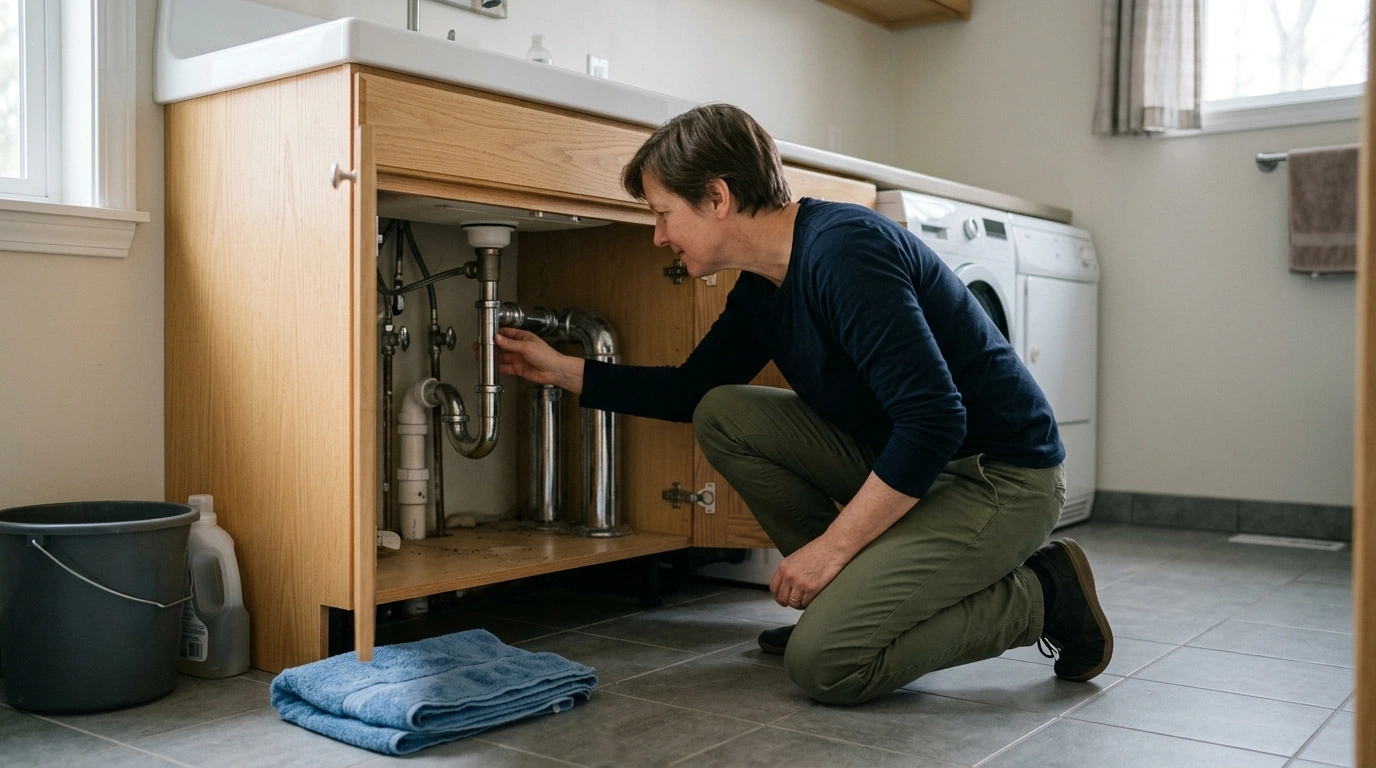
Waiting for an obvious failure is one of the costliest mistakes. Water stains, musty odors, slow drains, recurring circuit trips, unfamiliar noises, and rising utility bills can signal trouble before a system stops working.
Temporary fixes may also conceal deterioration. Repeated applications of caulk, tape, drain cleaner, or patching compound do not correct an underlying leak, obstruction, electrical fault, or structural movement. Likewise, filters, lubricants, replacement parts, and cleaning products should match manufacturer instructions.
Exterior drainage is another frequent blind spot. Overflowing gutters, short downspouts, poor grading, and deteriorated seals allow water to collect near roofs, siding, windows, basements, and foundations. Electrical panels, gas lines, major roofing work, unstable structures, and suspected asbestos or extensive mold should always be evaluated by qualified professionals.
Featured in this guide
Fix It Before It Breaks | Practical Home Maintenance Guide | Home Maintenance Mistakes to Avoid for Smart Homeowners
A Simple Maintenance Schedule by Frequency
Divide your property into manageable zones, such as bathrooms, kitchens, living areas, utility spaces, the exterior, and the property perimeter. Record each inspection date, observation, action, and follow-up. Photographs are useful for tracking cracks, corrosion, stains, and exterior wear.
Practical Home Maintenance Checklist
| Frequency | Tasks | Warning Signs |
|---|---|---|
| Monthly | Check for leaks, test alarms as directed, inspect HVAC filters, and look around appliances. | Moisture, odors, weak airflow, corrosion, or unusual sounds |
| Every 3–6 months | Clean exhaust fans, inspect caulk and grout, review drains, and check exterior drainage. | Peeling sealant, condensation, slow drains, mildew, or standing water |
| Seasonally | Clear gutters, inspect visible roofing, prepare outdoor plumbing, and service HVAC equipment as needed. | Loose materials, damaged hoses, poor performance, or increased energy use |
| Annually | Review plumbing, electrical service, roofing, appliances, the foundation, and emergency shutoffs. | Changing cracks, recurring faults, leaks, overheating, or aging equipment |
Adjust this schedule for climate, pets, household size, system age, and manufacturer requirements. Homes exposed to freezing weather, coastal air, wildfire smoke, extreme heat, or heavy rain may need additional checks. The Department of Energy offers practical guidance on heating and cooling maintenance.
How to Prioritize Repairs Without Overspending
Begin with immediate safety concerns: suspected gas leaks, electrical overheating, carbon monoxide alarms, active water intrusion, unstable structures, and failed railings or locks. Next, address conditions that spread quickly, including roof or plumbing leaks, pest entry, drainage failures, and damaged weather barriers.
Protect heating, cooling, water, drainage, and electrical systems before paying for cosmetic updates. For significant projects, compare written estimates by scope, materials, warranties, licensing, insurance, and cleanup responsibilities—not price alone.
A dedicated repair reserve can reduce reliance on credit during an emergency. The right amount depends on the property’s age, size, condition, climate, local labor costs, and upcoming equipment replacements.
Use a Practical Guide to Organize the Work
Get the Fix It Before It Breaks practical home maintenance guide for an accessible framework for building routines, reviewing warning signs, and deciding what requires prompt attention.
Indoor conditions deserve equal attention. Ventilation, moisture control, filtration, and safe renovation practices can affect both health and building durability.
Check the product’s listed specifications when evaluating use a practical guide to organize the work.
Build a Home Record That Makes Maintenance Easier
Keep warranties, receipts, inspection reports, model numbers, paint colors, service dates, and contractor information together in a physical binder or digital folder. Clearly label water, gas, and electrical shutoffs, and make sure responsible household members can reach them.
Create calendar reminders based on actual equipment requirements rather than memory. Review your records before renovating or selling so you can distinguish necessary repairs from cosmetic projects and show which systems have been maintained.
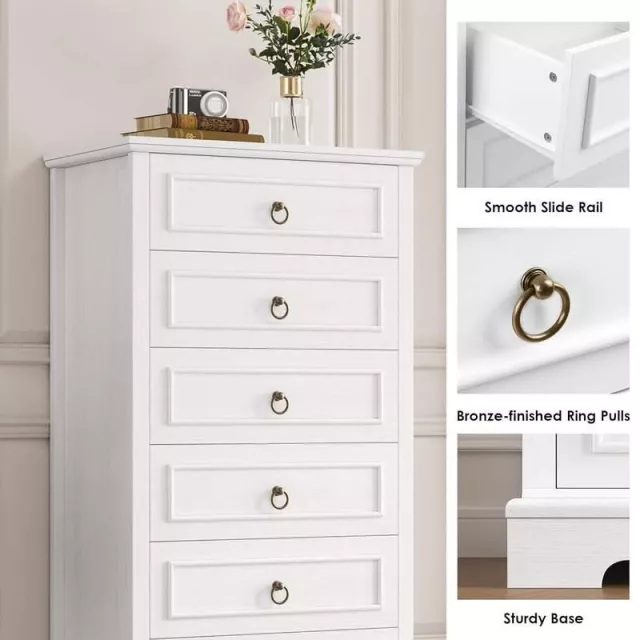
The Modern Farmhouse 6-Drawer Tall Dresser – Storage Organizer for Living Room, Hallway, Entryway, Home Office works alongside the featured product and keeps small car items in designated pockets instead of loose on the seat.
FAQ
What’s the most overlooked home maintenance task?
Exterior water management is often overlooked. Clean gutters, extend downspouts, check grading, and seal vulnerable openings to keep moisture away from walls, roofs, basements, and foundations.
What is the most expensive thing to repair on a house?
Foundation, structural, roofing, sewer, HVAC, and extensive water-damage repairs can all be costly. Expenses vary by location and severity, so active leaks, drainage failures, and changing cracks deserve prompt evaluation.
See if Fix It Before It Breaks | Practical Home Maintenance Guide | Home Maintenance Mistakes to Avoid for Smart Homeowners fits your setup
Recommended for you








Leave a comment