
Pet Nail Clippers for Dogs and Cats: A Calm Trim Guide
76% off on product page · save $16.98
A calmer way to trim small paws
Know when a trim is due
Look at your pet’s nails while they stand on a level surface. Nails that reach the floor, regularly click as your pet walks, or catch on fabric may need attention. Check each paw separately, including dewclaws when present. Nails can wear at different rates, even on the same pet.
Rather than following a rigid calendar, take a quick look during your regular paw-handling routine. Activity, walking surfaces, and individual growth all affect how often trimming is needed. If a nail has curled toward or into the paw pad, do not try to solve it with an ordinary home trim; contact your veterinarian.
Make room for a slow start
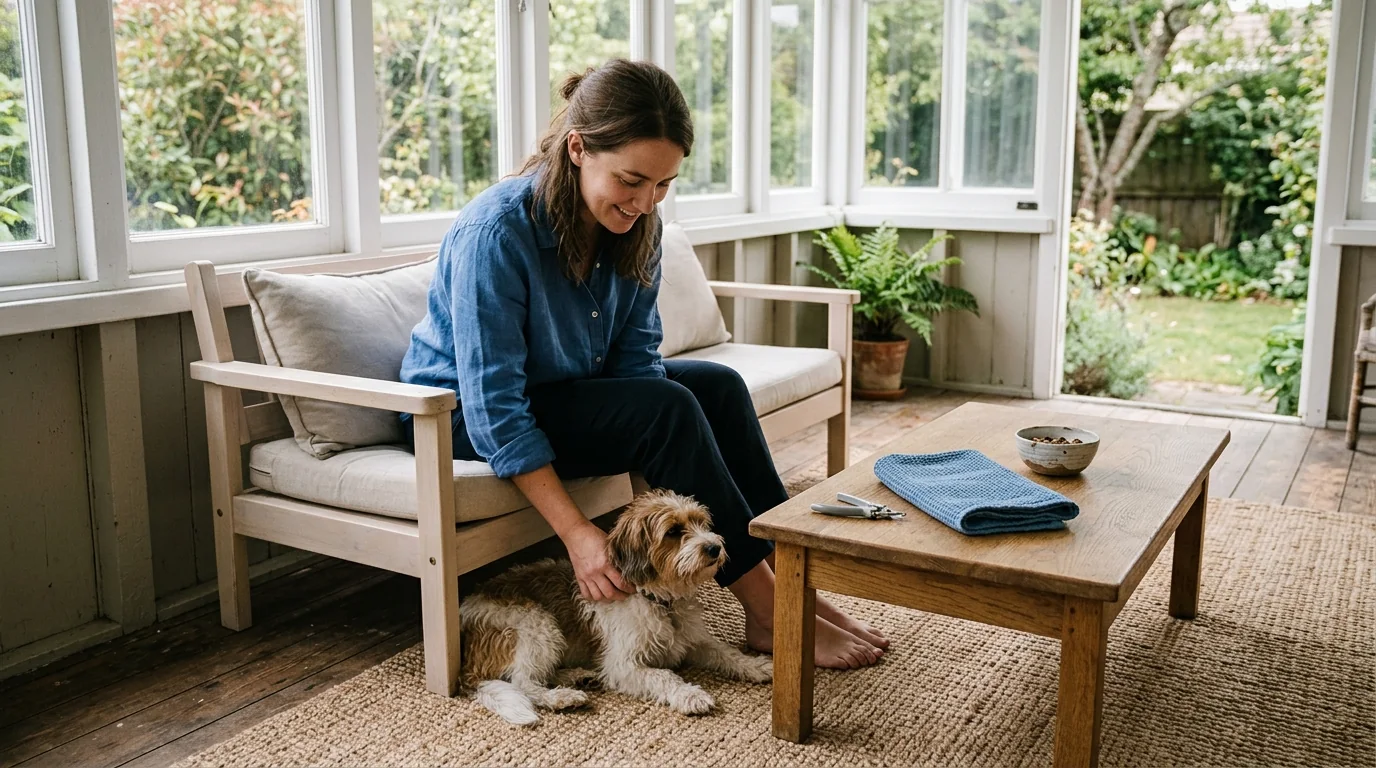
Set up in a quiet, well-lit place with the clippers, a towel, a pet-safe reward, and styptic powder within reach. If your dog or cat is new to nail care, begin without cutting: touch a paw, briefly hold a toe, and reward calm behavior. Over several short sessions, work up to bringing the clippers near a nail.
Support your pet in a secure position without forcing them to stay still. If they pull away repeatedly or become distressed, stop and return to gentle paw handling another day.
Featured in this guide
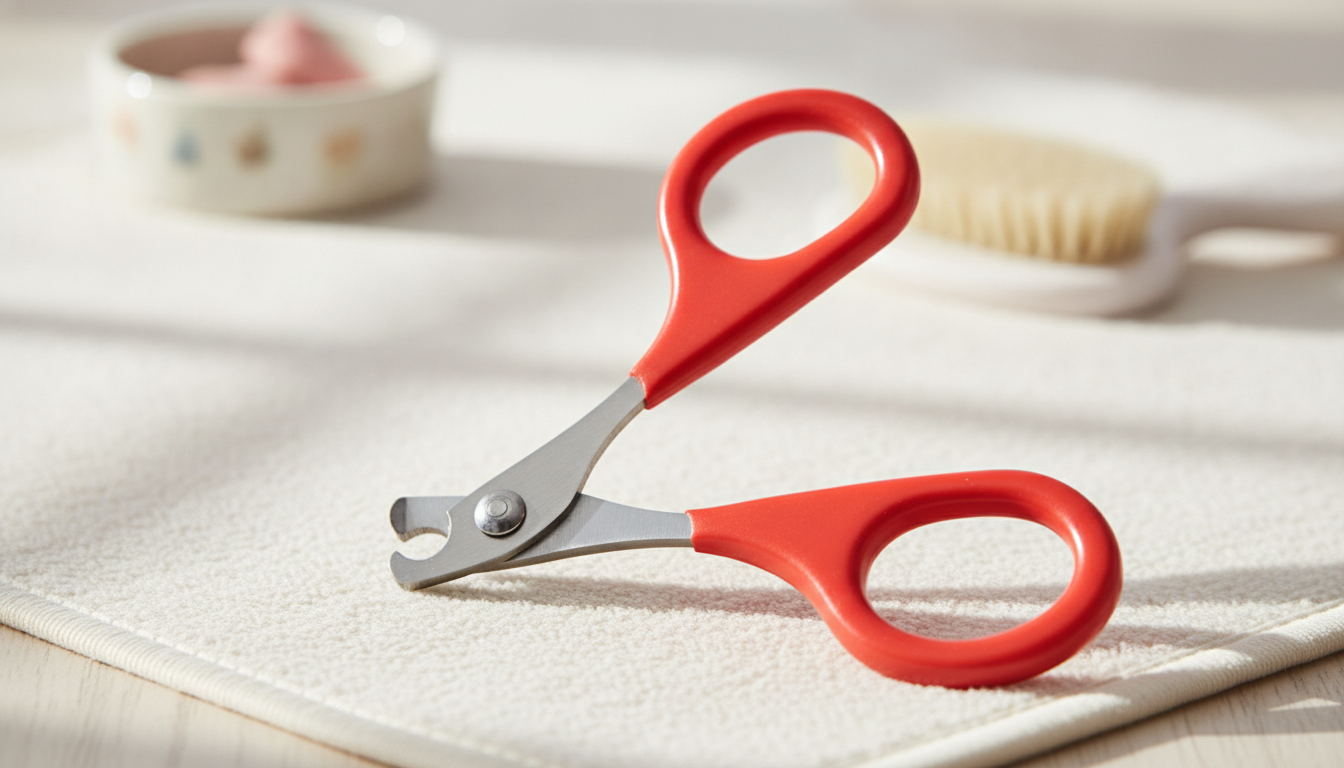
Professional Pet Nail Clippers for Small Dogs and Cats
Take the tip, then reassess
The quick is sensitive tissue inside the nail. On a clear nail, you may be able to see it; leave space before the quick and clip only a small portion of the tip. On a dark nail, remove tiny amounts and reassess after each cut. If you cannot identify a safe cutting point, ask a veterinarian or groomer to demonstrate on your pet.
Hold the paw steady without squeezing and work on one nail at a time. Keep styptic powder nearby in case you nick a nail. If bleeding does not stop promptly, or a nail is cracked, damaged, or painful, stop trimming and contact a veterinarian.
Decide whether these clippers fit your pet
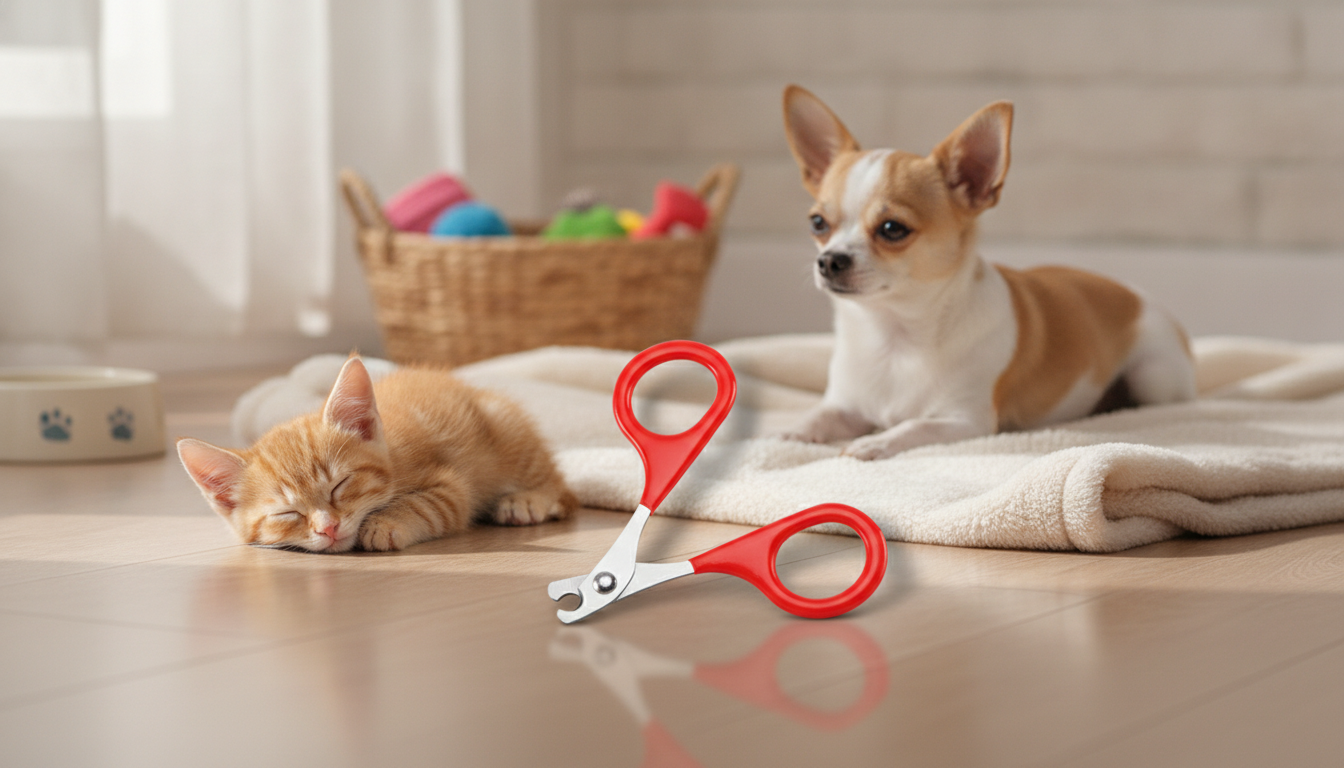
Our Professional Pet Nail Clippers for Small Dogs and Cats are intended for the smaller pets named in their title. Choose a tool you can hold comfortably and position while clearly seeing the nail at the cutting edge. Before you begin, make sure it operates smoothly; replace a clipper that no longer makes a clean cut.
For a larger dog or unusually thick nails, ask a groomer or veterinarian which tool is appropriate. Clippers cut length quickly; grinders wear it down gradually but introduce sound and vibration. The better choice is one you can use confidently and your pet can tolerate.
Clipping, grinding, or professional help?
Clippers remove length in a quick cut. A grinder wears the nail down gradually but adds sound and vibration that some pets dislike. Neither method is automatically better: consider nail thickness, how your pet responds to handling, and which tool you can use confidently.
Professional help is a sensible choice for very overgrown nails, a hard-to-see quick, or strong anxiety about paw handling. Ask a groomer or veterinarian to show you how they position your pet and decide how much to remove. You can then practice that same gradual approach at home, with breaks whenever your pet needs them.
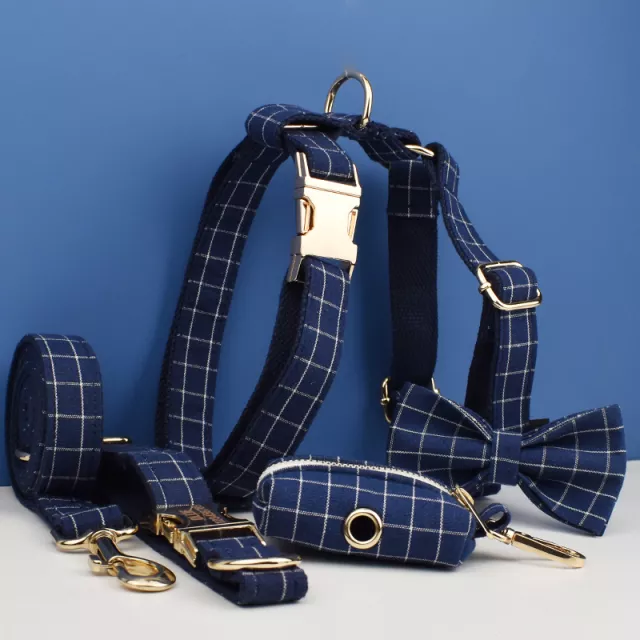
The Dark Blue Check Dog Collar, Leash, Harness & Bow Set works alongside the featured product and limits a dog’s movement across the back seat when used with a compatible harness and vehicle anchor.
Before choosing, compare the product details with your daily routine, available space, care needs, and preferred setup. The strongest option is usually the one that fits the intended use clearly and remains simple to clean, store, and check before repeat use.
FAQ
What do professional dog groomers use for nails?
Groomers may use appropriately sized clippers, a grinder, or both, depending on the dog and its nails. Their handling technique and calm, secure setup matter as much as the tool.
Is it better to cut or grind dogs’ nails?
Neither method suits every dog. Clippers shorten nails quickly, while grinders work gradually but make noise and vibration; choose the method your dog tolerates and you can use safely.
How do professionals trim dogs’ nails?
Professionals typically steady one paw, assess each nail and its quick, remove a small amount, and pause when the dog needs a break. If you are unsure where to cut, ask for an in-person demonstration before trimming at home.
See if Professional Pet Nail Clippers for Small Dogs and Cats fits your setup
Recommended for you








Leave a comment