Is It Safe to Turn On AC During Bad Air Quality?
25% off on product page · save $4.33
Is It Safe to Turn On AC During Bad Air Quality?
Yes—if the AC keeps outdoor air out
It is generally safe to run air conditioning during periods of poor outdoor air quality. Staying cool can be especially important during a heat wave. The key is how your system handles air: most central AC systems recirculate indoor air, while some window units and portable systems have a fresh-air setting that brings air in from outside.
When smoke, dust, or pollution is heavy outdoors, close windows and doors and turn off any fresh-air intake you can control. If your AC has a recirculation setting, use it. Check the instructions for your particular unit if you are unsure whether it draws in outdoor air.
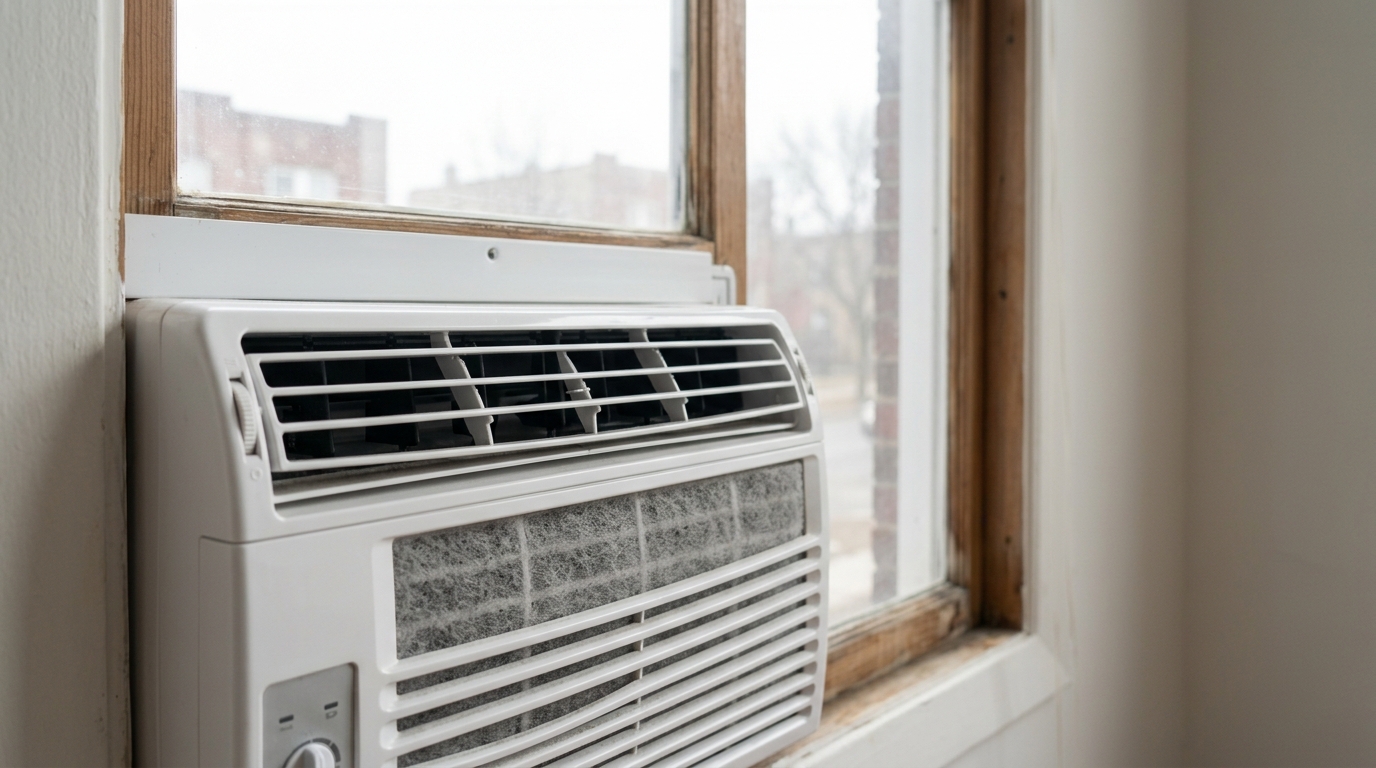
Use the filter your system can handle
For central AC, a clean, properly fitted filter helps capture particles as air moves through the system. If your equipment supports a higher-efficiency filter, it may help with fine particles from smoke; check your system’s specifications before upgrading, since an overly restrictive filter can reduce airflow.
Replace or clean the filter according to the manufacturer’s directions, and check it more often when conditions are smoky or dusty. A window AC filter also needs regular cleaning, but it should not be treated as a substitute for a dedicated air cleaner when particle levels are high. For more context, see this guide to using AC during bad air quality.
Featured in this guide
Breathe Better Indoors, Live Better: A Practical Guide to Improving Indoor Air Quality
Keep indoor pollution from building up
Running the AC does not remove every indoor pollutant. During a poor-air-quality event, avoid adding smoke and particles indoors by skipping candles, smoking, and unnecessary frying or broiling. Use a range hood that vents outdoors when cooking creates fumes, while recognizing that any exhaust fan can pull some outdoor air into a leaky home.
If the air outside improves, ventilation can help clear pollutants that built up inside. Follow local air-quality guidance and use current outdoor conditions—not just a lingering smell—to decide when to open windows again.
Know when AC is not enough
If the AC smells like smoke because its intake is bringing in outdoor air, switch off that intake if possible. If the unit is damaged, leaking, or making unusual electrical sounds, stop using it and seek qualified service rather than trying to run it through the problem.
Headache, eye or throat irritation, coughing, and worsening asthma symptoms can occur with poor air quality, but they can have other causes too. Leave the space and seek urgent help if a carbon monoxide alarm sounds or anyone has severe symptoms; AC and ordinary particle filters do not make carbon monoxide exposure safe.
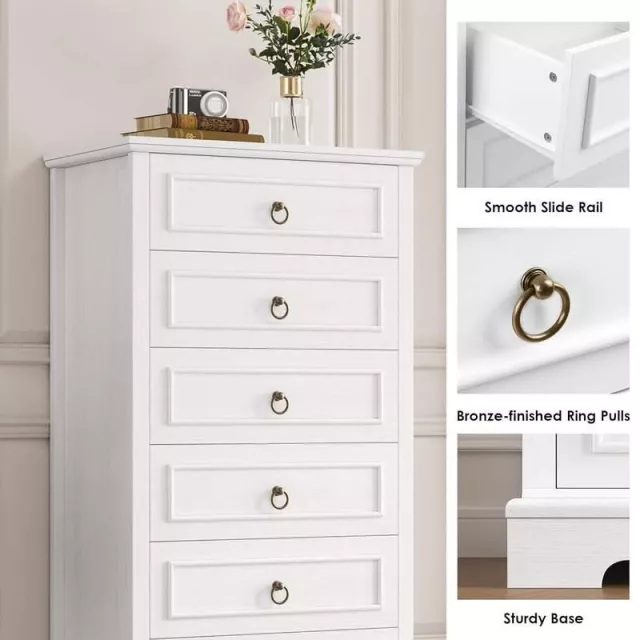
The Modern Farmhouse 6-Drawer Tall Dresser – Storage Organizer for Living Room, Hallway, Entryway, Home Office works alongside the featured product and keeps small car items in designated pockets instead of loose on the seat.
FAQ
What are the symptoms of bad air quality in a house?
Possible signs include irritated eyes or throat, coughing, headaches, and worsening allergy or asthma symptoms. Symptoms alone cannot identify the pollutant, so investigate the source and seek medical advice for persistent or serious symptoms.
See if Breathe Better Indoors, Live Better: A Practical Guide to Improving Indoor Air Quality fits your setup
Recommended for you




Leave a comment