
10 Synonyms for Clean and When to Use Each

10 Synonyms for Clean and When to Use Each
10 synonyms for “clean”
Ten useful alternatives are tidy, neat, spotless, pristine, immaculate, sanitary, hygienic, fresh, unsoiled, and uncluttered . The best choice depends on whether you mean an orderly room, a surface without visible dirt, or an area maintained with hygiene in mind.
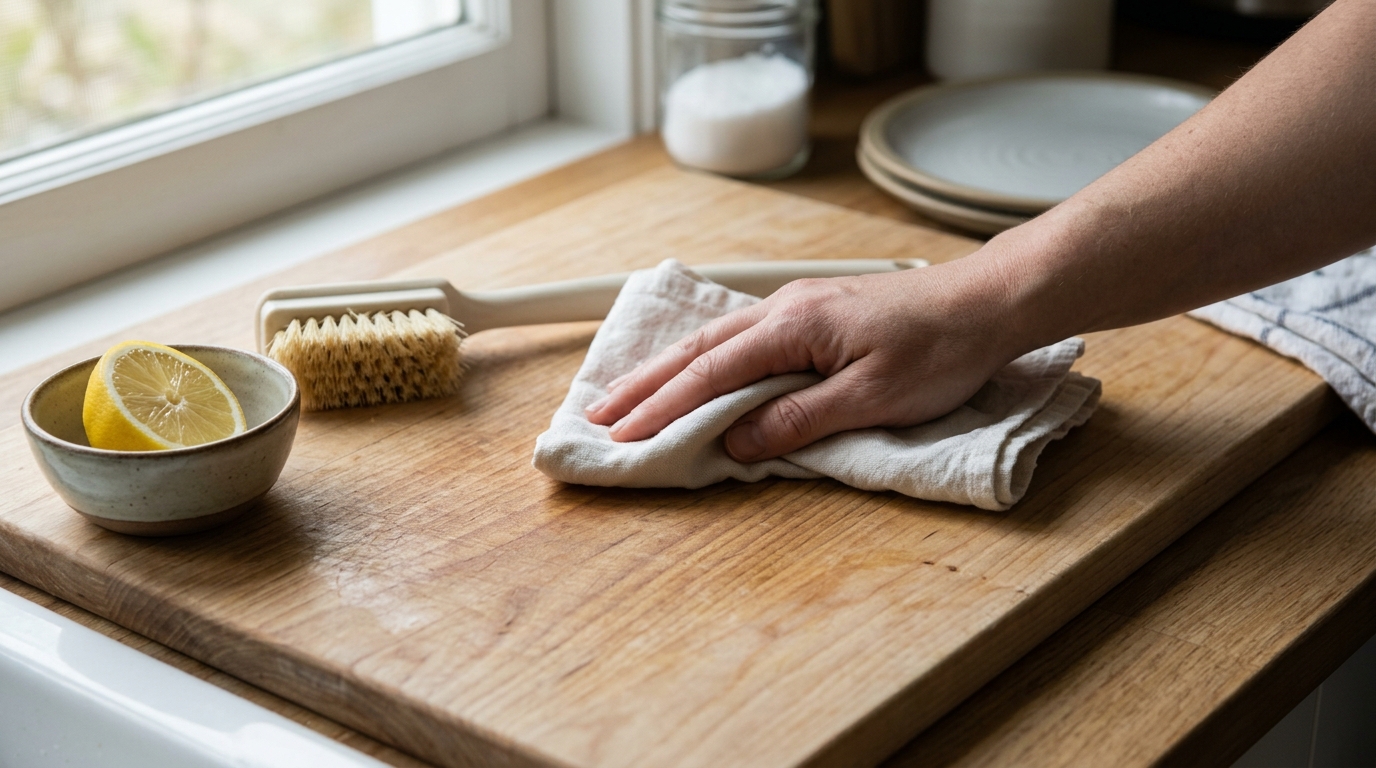
Words for an orderly home
Use tidy when things are put away, neat when they look arranged, and uncluttered when there are few unnecessary items in sight. A kitchen counter can be uncluttered without being spotless, so these words are most useful when you’re describing organization rather than the condition of a surface.
For example, you might call an entryway tidy after putting away shoes, even if its floor still needs to be washed. “Neat” is a good fit when you want to describe the appearance of arranged shelves or folded linens.
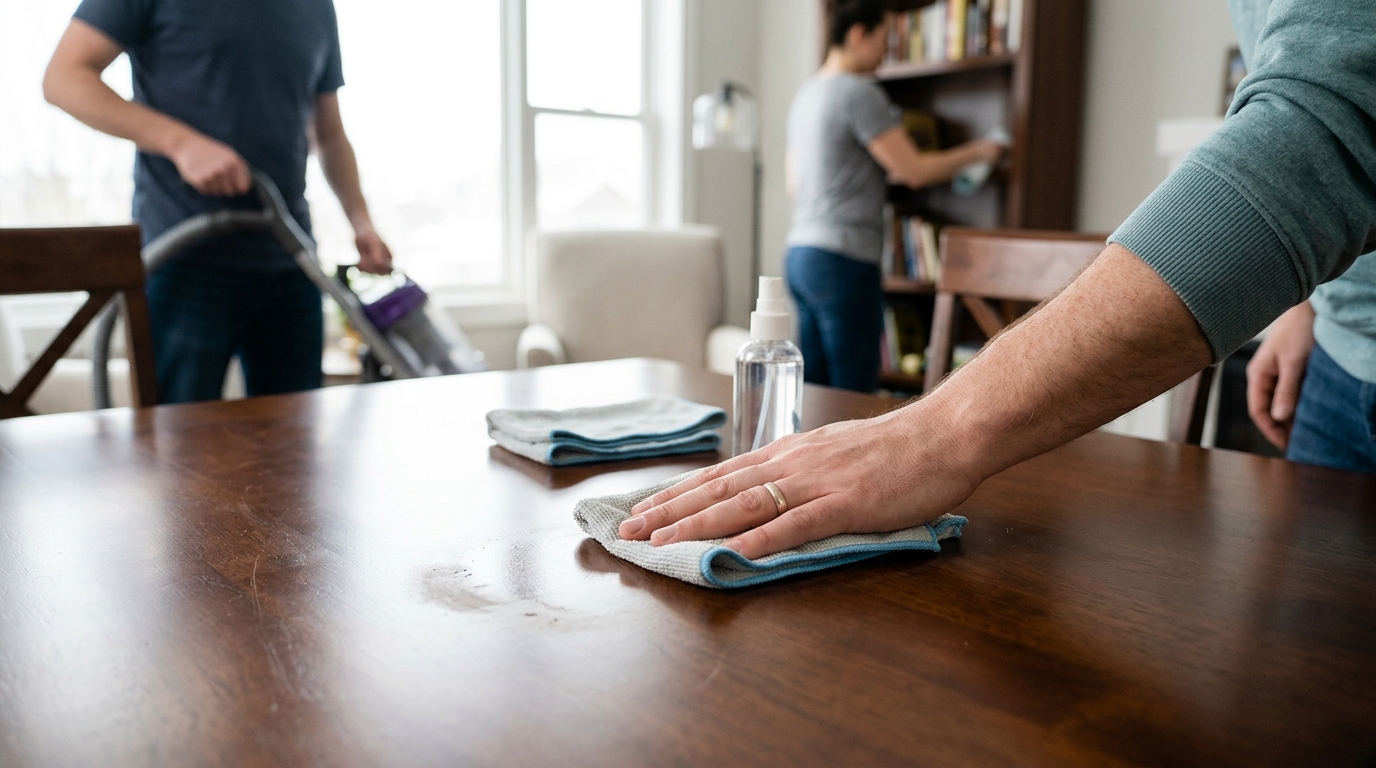
Featured in this guide
Consistent Clean Living Bundle: 10-in-1 Digital Guide for Effortless Home Maintenance
Words for surfaces without visible dirt
Spotless suggests no visible marks, while immaculate and pristine convey an especially polished appearance; unsoiled simply means not dirtied or stained. If you’re describing laundry, unsoiled may be precise, but spotless is more natural for a mirror or countertop that you’ve just wiped down.
Words for hygiene and freshness
Sanitary and hygienic emphasize conditions associated with good hygiene, rather than how a space looks, so neither should be used as a substitute for “disinfected.” Fresh can describe a pleasant smell or a recently cleaned feeling, but a fresh scent alone does not tell you whether a surface is clean.
When hygiene is your concern, describe the action you took instead of relying on an appearance word. That makes a household instruction clearer to anyone sharing the task.
Choosing the right word for your routine
When you write a household task, choose a word that names the result you want: “tidy the entryway” points to putting items away, while “wipe the counter until it’s free of visible residue” names a different job. If you’re building a regular home-maintenance routine, our Consistent Clean Living Bundle: 10-in-1 Digital Guide for Effortless Home Maintenance is the featured guide to explore.
“This has made a huge difference in my home. I love how easy it is to implement and how it keeps me consistent! I’ve already noticed a change in my motivation levels.”
FAQ
What are 10 good synonyms?
For “clean,” try tidy, neat, spotless, pristine, immaculate, sanitary, hygienic, fresh, unsoiled, and uncluttered. We recommend choosing by context: “tidy” suits an organized room, while “spotless” suits a surface without visible marks.
What can I say instead of “very clean”?
“Spotless” or “immaculate” works when you mean exceptionally clean in appearance. If you mean a space is especially orderly, “neat” or “uncluttered” is more precise than a stronger-sounding word about cleanliness.
See if Consistent Clean Living Bundle: 10-in-1 Digital Guide for Effortless Home Maintenance fits your setup








Leave a comment