
Unhealthy Air Quality: Planning Safe Outdoor Time
25% off on product page · save $4.33
Unhealthy Air Quality: Planning Safe Outdoor Time
Use the AQI to set your plans
When the AQI is 151–200 (“Unhealthy”), everyone should reduce prolonged or heavy outdoor exertion, and people in sensitive groups should avoid it. At 201–300 (“Very Unhealthy”), avoid outdoor exertion if you can; above 300 (“Hazardous”), stay indoors as much as possible and follow local health advisories.
Keep necessary trips brief
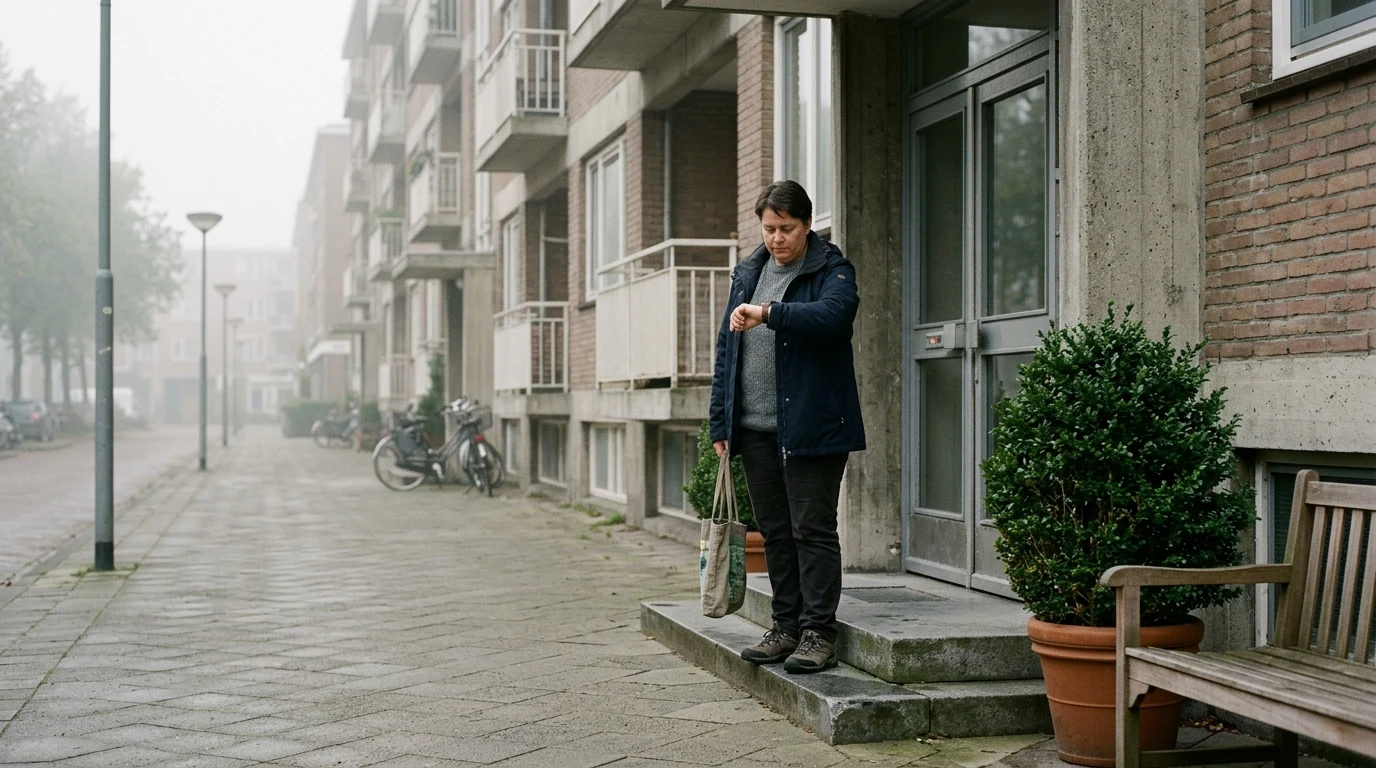
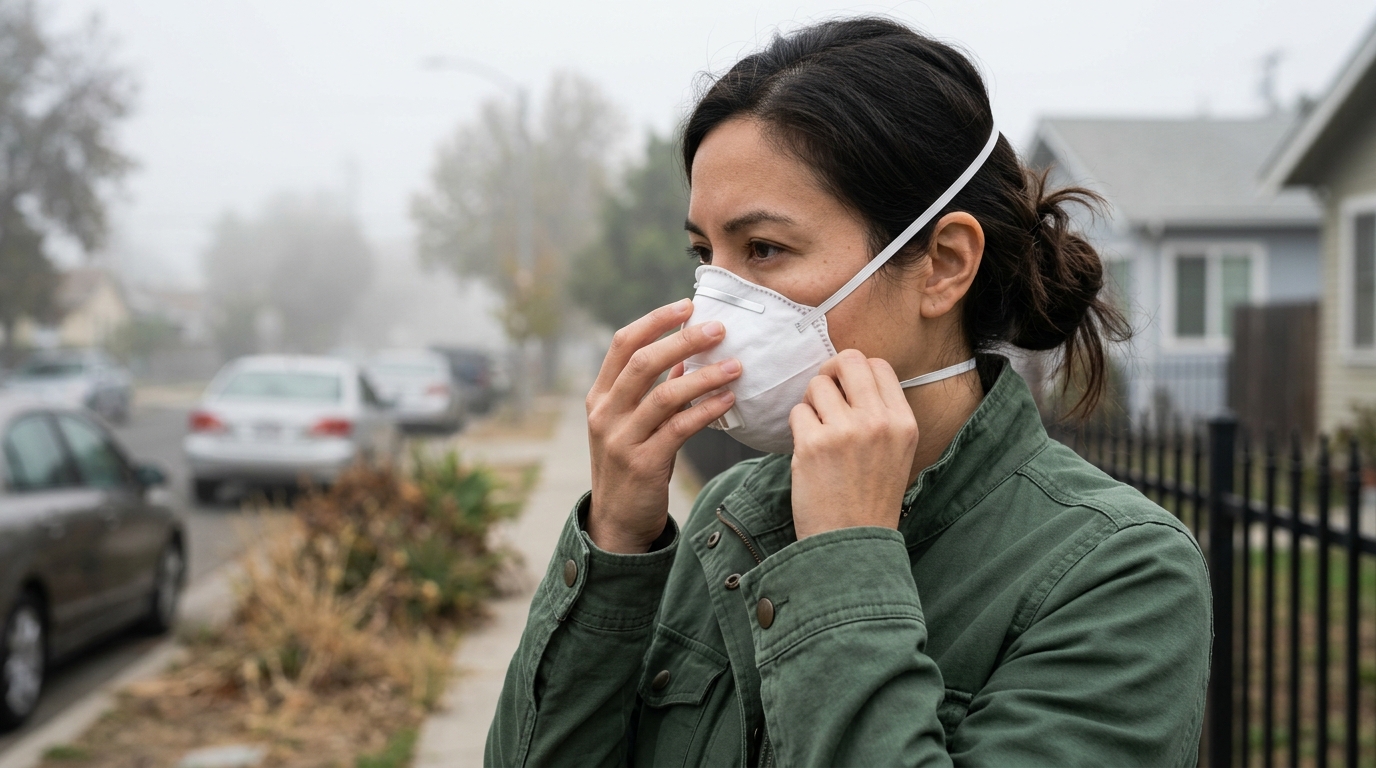
If you must go out, choose a short, low-effort errand over a run or a long walk, and check the AQI again before leaving because conditions can change during the day. A 10-minute trip is not automatically safe, but spending less time outside and avoiding strenuous activity can reduce your exposure.
Featured in this guide
Breathe Better Indoors, Live Better: A Practical Guide to Improving Indoor Air Quality
Take extra care if you are sensitive
Children, older adults, pregnant people, and people with heart or lung conditions may need to limit outdoor time sooner than others; follow any advice from your clinician. If you develop coughing, wheezing, chest tightness, unusual fatigue, or shortness of breath, go inside, and seek medical help promptly for severe or persistent symptoms.
Check the product’s listed specifications when evaluating take extra care if you are sensitive.
Make indoor time count
When outdoor air is worse, close windows and doors, use available air filtration appropriately, and wait for conditions to improve before airing out your space. For a room-by-room approach to your indoor environment, our team put together Breathe Better Indoors, Live Better: A Practical Guide to Improving Indoor Air Quality.
FAQ
How long is it safe to be outside in bad air quality?
There is no universal safe time limit: your exposure depends on the AQI, your activity, and your health. On unhealthy days, keep necessary outdoor trips brief, avoid strenuous exercise, and spend more time indoors—especially if you are in a sensitive group.
Is it bad to go outside when air quality is bad?
A brief, necessary trip is different from exercising outdoors for an hour, but both expose you to polluted air. Check your local AQI and advisories, scale back your time and effort outside, and head indoors if you develop symptoms.
See if Breathe Better Indoors, Live Better: A Practical Guide to Improving Indoor Air Quality fits your setup








Leave a comment