
Overheating Coolant: How to Fix It Safely
10% off on product page · save $1.22
Overheating Coolant: How to Fix It Safely
Stop the Engine Before Damage Spreads
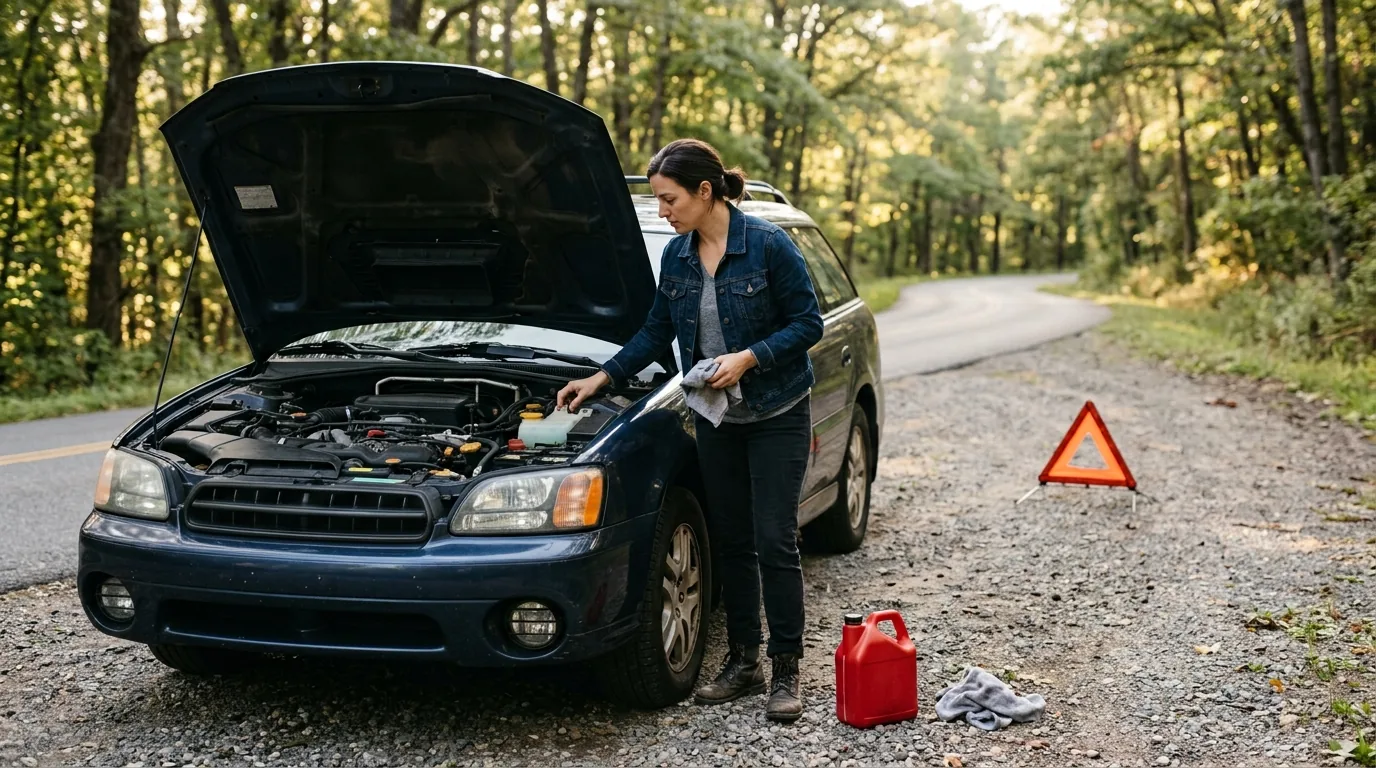
If the temperature gauge reaches the red zone or steam appears, turn off the air conditioning, pull over safely, and shut down the engine. Do not remove the radiator cap while the system is hot; pressurized coolant can exceed 200°F and cause severe burns.
Check the Coolant Level After the Engine Cools
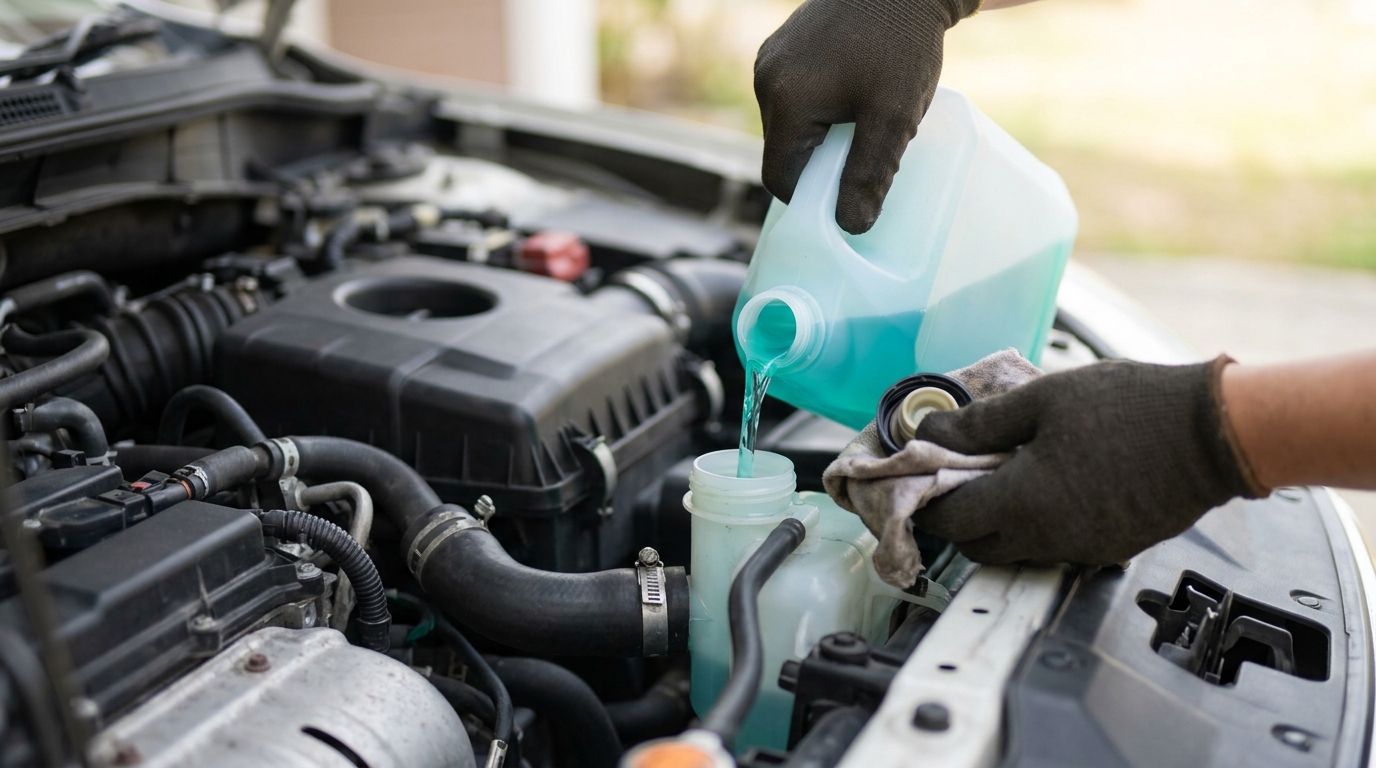
Wait at least 30 minutes, then inspect the translucent expansion tank and compare the level with its “MIN” and “MAX” marks. If coolant is low, add the manufacturer-specified type—such as OAT, HOAT, or IAT coolant—using the dilution ratio listed in the owner’s manual; never mix incompatible formulas.
Featured in this guide
Coolant Temperature Warning Light Explained: A Complete Guide for Drivers | Understanding and Responding to Engine Alerts
Inspect for Leaks and Restricted Airflow
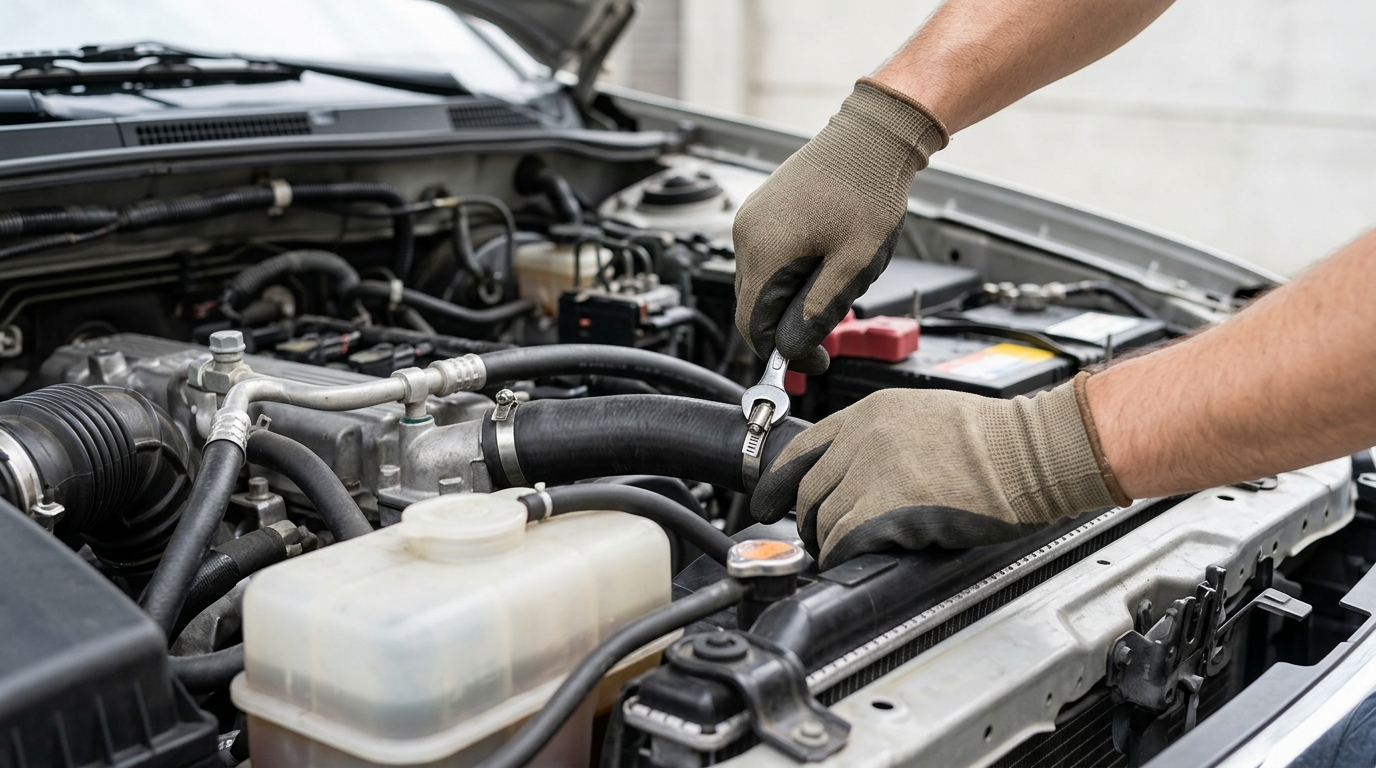
Look beneath the vehicle and around the radiator, hoses, water pump, thermostat housing, and reservoir for colored residue or wet spots. Also remove leaves or debris from the radiator grille and confirm that the electric cooling fan activates as the engine warms or when the air conditioning is switched on.
Pressure-Test the Cooling System
A cooling-system pressure tester can reveal small leaks that are difficult to see when the engine is cold. Match the tester pressure to the radiator cap rating—commonly 13 to 16 psi—and stop if pressure drops, coolant appears, or a hose begins swelling.
If the level is correct but overheating continues, a stuck thermostat, failed fan relay, worn water pump, clogged radiator, or damaged head gasket may be responsible. Review the complete guide to fixing overheating coolant before replacing parts.
FAQ
How do I stop my coolant from overheating?
To stop coolant from overheating, shut off the engine, allow it to cool completely, and correct low coolant, leaks, blocked radiator airflow, or a nonworking fan. Do not continue driving until the cooling system holds pressure and the temperature remains within its normal range.
Is it worth fixing a car that overheated?
Fixing a car that overheated may be worthwhile when the problem is limited to a hose, thermostat, fan, radiator, or water pump. If overheating caused low compression, coolant in the oil, a warped cylinder head, or a cracked engine block, compare the documented repair estimate with the vehicle’s market value before approving the work.
See if Coolant Temperature Warning Light Explained: A Complete Guide for Drivers | Understanding and Responding to Engine Alerts fits your setup













Leave a comment