


Should You Stay Inside When Air Quality Is Bad?
25% off on product page · save $4.33
Should You Stay Inside When Air Quality Is Bad?
Should You Stay Inside When the Air Quality Is Bad?
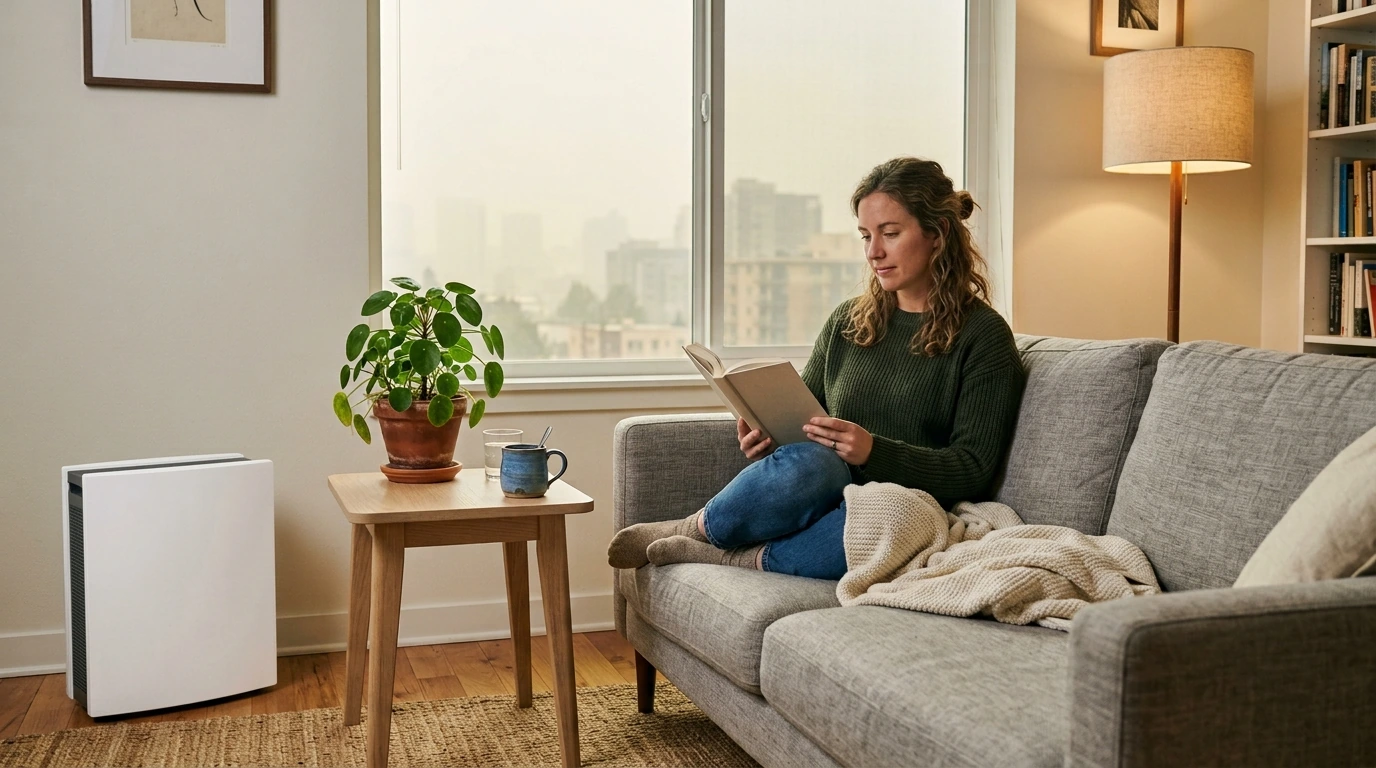
Yes, staying indoors can reduce your exposure when outdoor air quality is unhealthy, especially during wildfire smoke, heavy pollution, or dust events. However, indoor air is only safer when you limit outside air infiltration and control indoor pollutants.
Check the listed dimensions for should you stay inside when the air quality is bad? against the available vehicle space before use.
Check the Air Quality Index
Use the Air Quality Index (AQI) to guide your plans. At an AQI above 100, children, older adults, pregnant people, and those with heart or lung conditions should reduce prolonged outdoor activity; as levels rise, everyone should limit exposure.

Featured in this guide
Breathe Better Indoors, Live Better: A Practical Guide to Improving Indoor Air Quality
Create a Cleaner Indoor Space
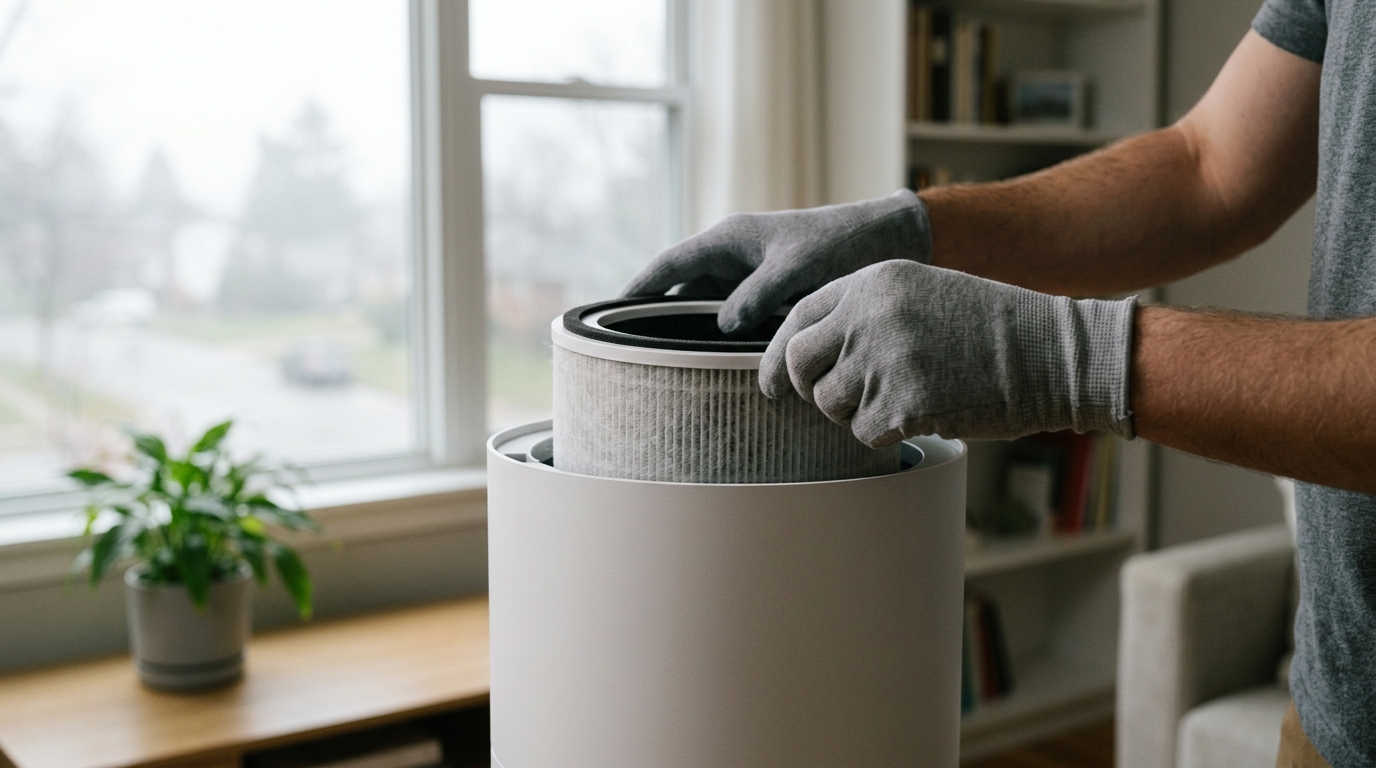
Close windows and exterior doors, and run a properly sized air purifier with a HEPA filter. If your HVAC system supports it, use a high-efficiency filter recommended by the manufacturer and set the fan to recirculate air.
Avoid Adding Indoor Pollution
Do not smoke, burn candles, use a wood-burning fireplace, or fry food during a poor-air-quality event. Vacuuming can also stir up particles unless the vacuum has effective filtration, so damp-dust surfaces instead.
Know When You Must Go Outside
Keep outdoor trips brief and avoid strenuous exercise. A well-fitting N95 or KN95 respirator can help filter fine particles, while cloth and surgical masks offer limited protection from smoke.
Learn more about whether you should stay inside when the air quality is bad, including practical ways to reduce exposure.
FAQ
Can bad indoor air quality make you sick?
Yes, bad indoor air quality can cause headaches, coughing, eye irritation, fatigue, and breathing problems. Long-term exposure may aggravate asthma and other health conditions.
How can I stay safe when the air quality is poor?
Stay indoors, close windows, run HEPA filtration, and avoid activities that create smoke or particles. If you must go outside, shorten your trip and wear a well-fitting respirator.
How long can you get sick from bad air quality?
Symptoms from bad air quality may last from several hours to days after exposure ends. Seek medical care for chest pain, severe shortness of breath, confusion, or symptoms that persist or worsen.
See if Breathe Better Indoors, Live Better: A Practical Guide to Improving Indoor Air Quality fits your setup













Leave a comment